Do I Have a Controlling Spouse?
Do I Have a Controlling Spouse ?
Relationships should be a partnership, where both individuals feel respected and valued. However, sometimes the balance can tilt, and you might find yourself questioning, "Do I have a

The Invisible Scars of Emotional Abuse
Eroding Self-Esteem and Confidence
One of the most insidious effects of
The Link Between Emotional Abuse and Mental Health
Signs of Emotional Abuse
Understanding the signs of
Isolation from Friends and Family
- Criticism of Your Support Network: A
controlling spouse may belittle your friends and family, painting them as bad influences or untrustworthy. This tactic is designed to weaken your support system and increase your dependence on the abuser. - Guilt Tripping: The abuser might make you feel guilty for wanting to spend time with loved ones. They could use phrases like, "You always choose them over me," to manipulate your emotions and keep you isolated.
- Creating Barriers: They might create barriers to prevent you from seeing friends and family, such as planning activities that conflict with your plans or making you feel like you need to ask permission to go out.
Constant Criticism
- Focusing on Flaws: A
controlling spouse will often focus on your perceived flaws and weaknesses, using them as ammunition in arguments. This relentless criticism can chip away at your self-esteem. - Public Belittlement: They might belittle you in front of others, making jokes at your expense or pointing out your mistakes publicly. This behavior is intended to assert dominance and control.
- Invalidating Your Achievements: Even when you achieve something significant, a controlling partner may dismiss your accomplishments or claim they played a more significant role than they did.
Gaslighting
- Denial of Reality: Gaslighting involves denying events that you know occurred, making you question your memory and perception. This tactic is used to destabilize your sense of reality.
- Twisting the Truth: They may twist the truth or reinterpret events to make you doubt your version of reality. Over time, this can lead to confusion and self-doubt.
- Subtle Manipulation: Gaslighting is often subtle, with abusers using small lies and manipulations that accumulate over time. Recognizing these patterns is crucial for regaining control over your reality.
Financial Control
- Restricting Access to Money: A controlling partner may limit your access to finances, giving you a small allowance or requiring you to justify your spending. This keeps you financially dependent on them.
- Monitoring Expenditures: They might closely monitor your expenditures, questioning every purchase you make. This creates a sense of surveillance and control over your financial freedom.
- Preventing Financial Independence: By controlling finances, the abuser ensures you lack the resources to leave the relationship, making it difficult to achieve financial independence.
Jealousy and Possessiveness
- Excessive Monitoring: They may constantly check your phone, emails, and social media accounts to monitor your interactions. This behavior is rooted in jealousy and a desire to control your social life.
- Demanding Constant Updates: A
controlling spouse might insist on knowing your whereabouts at all times, questioning you about your activities and the people you're with. - Accusations Without Cause: They may accuse you of infidelity or dishonesty without any evidence, using these accusations to justify their controlling behavior.
Identifying a Controlling Spouse
Couple discussing
Identifying a
Emotional Manipulation Tactics
- Guilt and Blame: A controlling partner often uses guilt and blame to manipulate your emotions. They might make you feel responsible for their happiness or misery, causing you to question your actions.
- Shaming and Criticizing: They may use shame as a tool to control your behavior, criticizing your decisions and making you feel inadequate. This tactic is designed to undermine your confidence.
- Emotional Withholding: Controlling partners might withhold affection or approval as a form of punishment, using your emotional needs as leverage to control your behavior.
Recognizing Assertive Communication
- The Importance of Assertiveness:
Assertive communication is crucial for a healthy relationship. It involves expressing your thoughts and feelings honestly while respecting your partner's perspective. - Dismissal of Your Voice: A
controlling spouse might dismiss your attempts to communicate assertively, interrupting or belittling your opinions. This can leave you feeling unheard and invalidated. - Strategies for
Assertive Communication : Learning to communicate assertively involves using "I" statements, setting clear boundaries, and remaining calm in the face of criticism. Practice these skills to improve communication.
Passive-Aggressive Behavior
- Silent Treatment: A
controlling spouse might use the silent treatment as a way to punish you or avoid confrontation. This behavior is designed to make you feel guilty and unsure of how to proceed. - Snide Remarks and Jokes: They may make snide remarks disguised as jokes, using humor as a way to criticize or belittle you. Recognizing this behavior is essential for addressing the underlying issues.
- Indirect Expression of Anger: Passive-aggressive behavior often involves expressing anger indirectly, such as through sarcasm or procrastination. Understanding these tactics can help you address them effectively.
How to Address a Controlling Spouse
Setting Boundaries
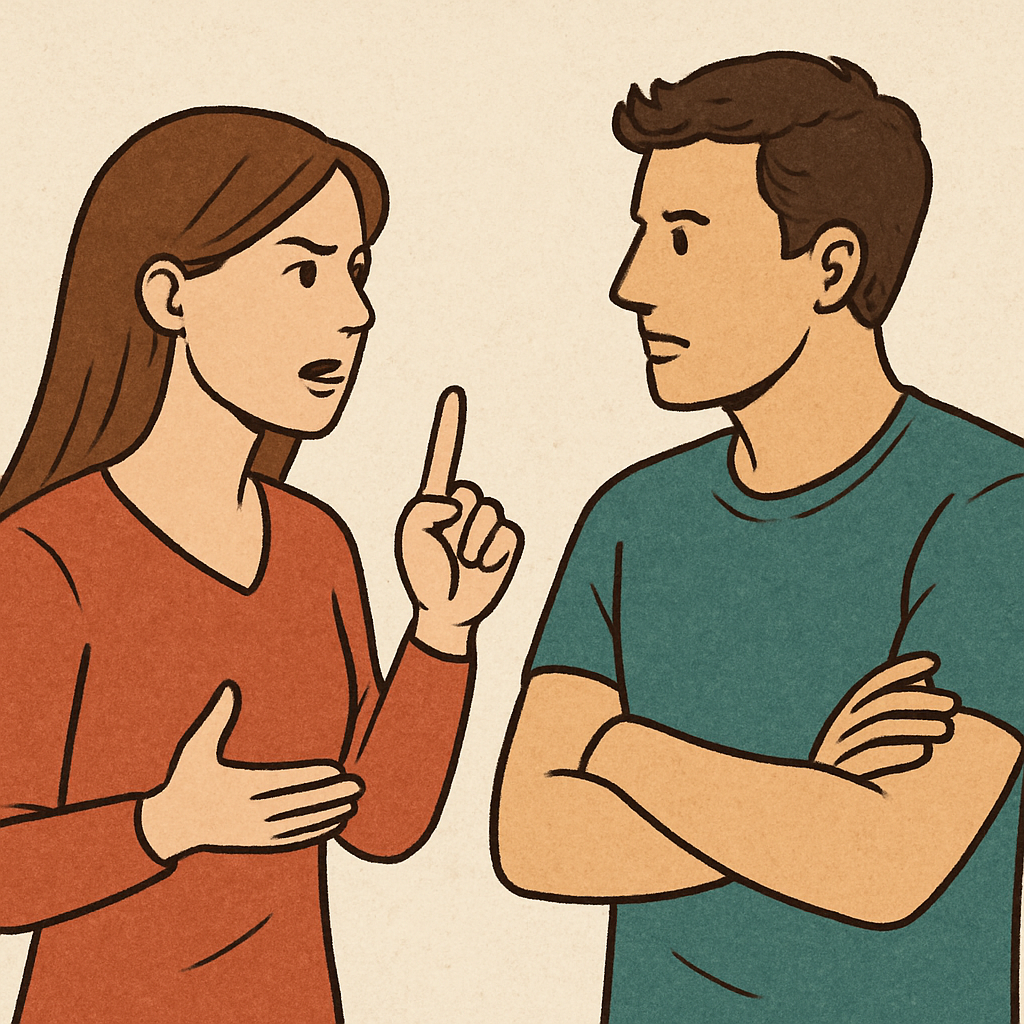
- Clearly Expressing Expectations: Clearly express what behaviors are unacceptable and what changes you expect. Boundaries should be firm but fair, allowing both partners to understand each other's limits.
- Consistent Enforcement: Once boundaries are set, it's crucial to enforce them consistently. This involves standing firm in your expectations and not allowing the controlling behavior to continue.
- Mutual Understanding: Effective boundaries require mutual understanding and respect. Engage in open discussions to ensure both partners are on the same page regarding the boundaries.
Seeking Support
- Reaching Out to Trusted Individuals: Reaching out to trusted friends or family members can provide perspective and support. They can offer a listening ear, advice, or even help you create a plan to address the situation.
- Building a Support Network: Building a support network involves surrounding yourself with people who understand and respect your situation. This network can provide emotional strength and encouragement.
- The Role of External Perspective: Sometimes, an outside perspective can shed light on the situation, helping you see things more clearly. Trusted individuals can offer insights that you might not have considered.
Professional Help
- Therapy and Counseling Options: Sometimes, professional intervention is necessary. Therapy or counseling can provide a safe space to explore relationship dynamics and develop healthier communication strategies.
- Choosing the Right Approach: Couples therapy can be beneficial, but individual counseling might be more appropriate if the relationship feels unsafe. Consider your options carefully to choose the best approach.
- Benefits of Professional Support: Professional help can offer tools and strategies for navigating difficult situations, empowering you to make informed decisions about your relationship.
Developing Assertive Communication Skills
- Practicing "I" Statements: Improving your communication skills can empower you to express your needs effectively. Practice using "I" statements, which focus on your feelings rather than blaming your partner.
- Remaining Calm and Composed: Staying calm and composed in conversations can help prevent conflicts from escalating. This involves listening actively and responding thoughtfully.
- Seeking Constructive Dialogue: Aim for constructive dialogue, where both partners feel heard and valued. Encourage open discussions and avoid defensive reactions.
When to Consider Leaving
In some cases, despite your best efforts, a relationship may not improve. Recognizing when it's time to leave is difficult but necessary for your well-being.
Signs It's Time to Move On
- Lack of Change: If your spouse refuses to acknowledge their behavior or make changes, it might be time to consider leaving. A willingness to change is crucial for a healthy relationship.
- Emotional or Physical Safety: Your safety should always be a priority. If you feel threatened or unsafe, seek help immediately. Trust your instincts and prioritize your well-being.
- Chronic Unhappiness: If the relationship consistently causes you distress and negatively impacts your mental health, it may be time to move on. Your happiness and mental well-being are paramount.
Evaluating Your Options
- Creating a Plan: Before making a decision, create a plan for leaving the relationship. Consider your financial situation, living arrangements, and support network.
- Seeking Legal Advice: If necessary, seek legal advice to understand your rights and options. Legal professionals can provide guidance on issues like custody, property, and finances.
- Taking Small Steps: Leaving a
controlling spouse can be overwhelming, so take small steps towards independence. Focus on building your confidence and resources gradually.
Prioritizing Your Well-Being
- Focusing on Self-Care: Prioritizing your well-being involves focusing on self-care and self-compassion. Engage in activities that bring you joy and help you relax.
- Building a New Life: After leaving a controlling relationship, focus on building a new life that aligns with your values and aspirations. Embrace new opportunities and experiences.
- Seeking Ongoing Support: Continue seeking support from friends, family, or professionals as you navigate this new chapter. Their encouragement can help you stay strong and resilient.
Conclusion
Recognizing a

Host
Hi, I'm Brandon Chadwick!
In 2019, I began interviewing survivors of narcissistic and domestic abuse on my podcast, Narcissist Apocalypse. In that time, I've published over 120 survivor stories, interviewed countless experts in the field, from therapists, to lawyers, to domestic violence advocates and agencies.
My philosophy for the podcast was to be different, and to me, that meant to be real, not clinical. My goal was to help survivors tell/validate their own stories, but to also validate and teach other survivors through those stories. And a crazy thing happened, it worked.
Narcissist Apocalypse has grown beyond my wildest dreams. It now reaches upwards of 10,000 listeners an episode and it keeps growing every day. If you read the reviews on Apple Podcasts, you can see just how much of an impact the show has made in the lives of our community members. Yes, we are now a community.
Narcissist Apocalypse has evolved into something bigger. We've taken the philosophy of the podcast and have extended it to power our support groups. Narcissist Apocalypse isn't just me anymore. We are now a community. And that community is here to support you at every step of your healing process and beyond.
Being part of your lives and watching people grow in our support groups has been quite an honor. So I just wanted to say thank you. Thank you for sharing. Thank you for listening. And a big thank you for helping everyone feel less alone. Welcome to our community.
With Much Love,
Brandon Chadwick


