Understanding the Effects of Emotionally Abusive Parents
Understanding the Impact of Emotionally Abusive Parents
Examples of Emotional Abuse
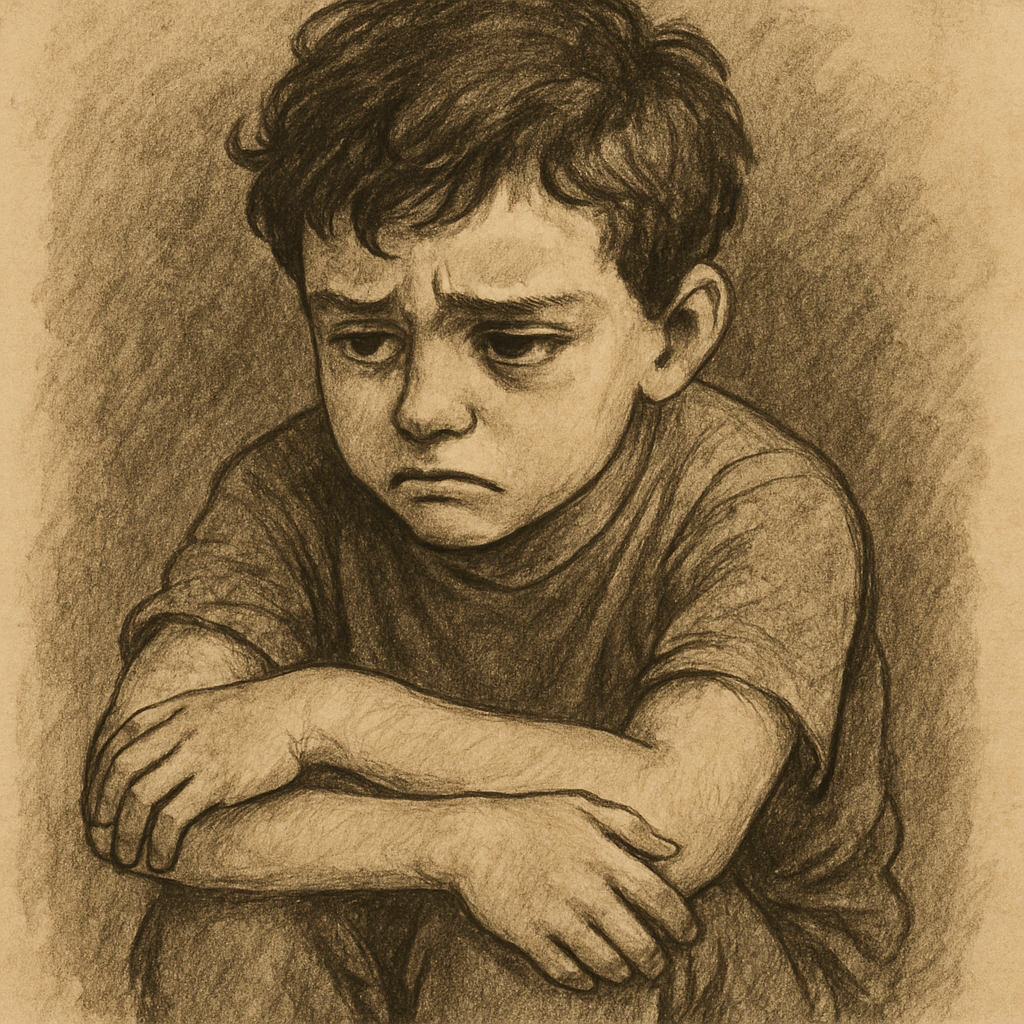
- Verbal Abuse: This can include yelling, belittling, name-calling, and using harsh language. A
verbally abusive mom might frequently criticize or insult her child, making them feel worthless. Over time, the child may internalize these negative messages, believing them to be true, which can erode self-confidence and create a cycle of self-doubt. - Manipulation:
Abusive parents may use guilt or fear to control their children. They might make the child feel responsible for the parent's happiness or failures. This manipulation can create a constant state of anxiety in the child, as they strive to meet impossible expectations. - Neglect: Emotional neglect involves ignoring a child's emotional needs, providing little or no affection, and failing to offer support or guidance. This lack of emotional nurturing can lead to feelings of abandonment and worthlessness, impacting the child's ability to form healthy attachments.
Signs of Emotional Abuse from Parents
Recognizing the signs of emotional abuse is the first step in addressing the problem. Here are some common indicators:
- Low Self-Esteem: Children who face emotional abuse may develop a poor self-image and lack confidence in their abilities. They may express feelings of inadequacy, often questioning their worth and capabilities.
- Anxiety and Depression: Constant criticism and negative reinforcement can lead to feelings of anxiety and depression. Children may exhibit signs of stress, such as trouble sleeping, changes in appetite, or a pervasive sense of sadness.
- Isolation:
Abusive parents might isolate their children from friends and family, making them feel alone and unsupported. This isolation can prevent the child from seeking help or developing relationships outside the abusive environment. - Fearfulness: Children may become fearful of making mistakes or expressing their opinions, fearing negative reactions from their parents. This fear can stifle their development, leading to a reluctance to take risks or try new things.
The Impact of Emotionally Abusive Parents
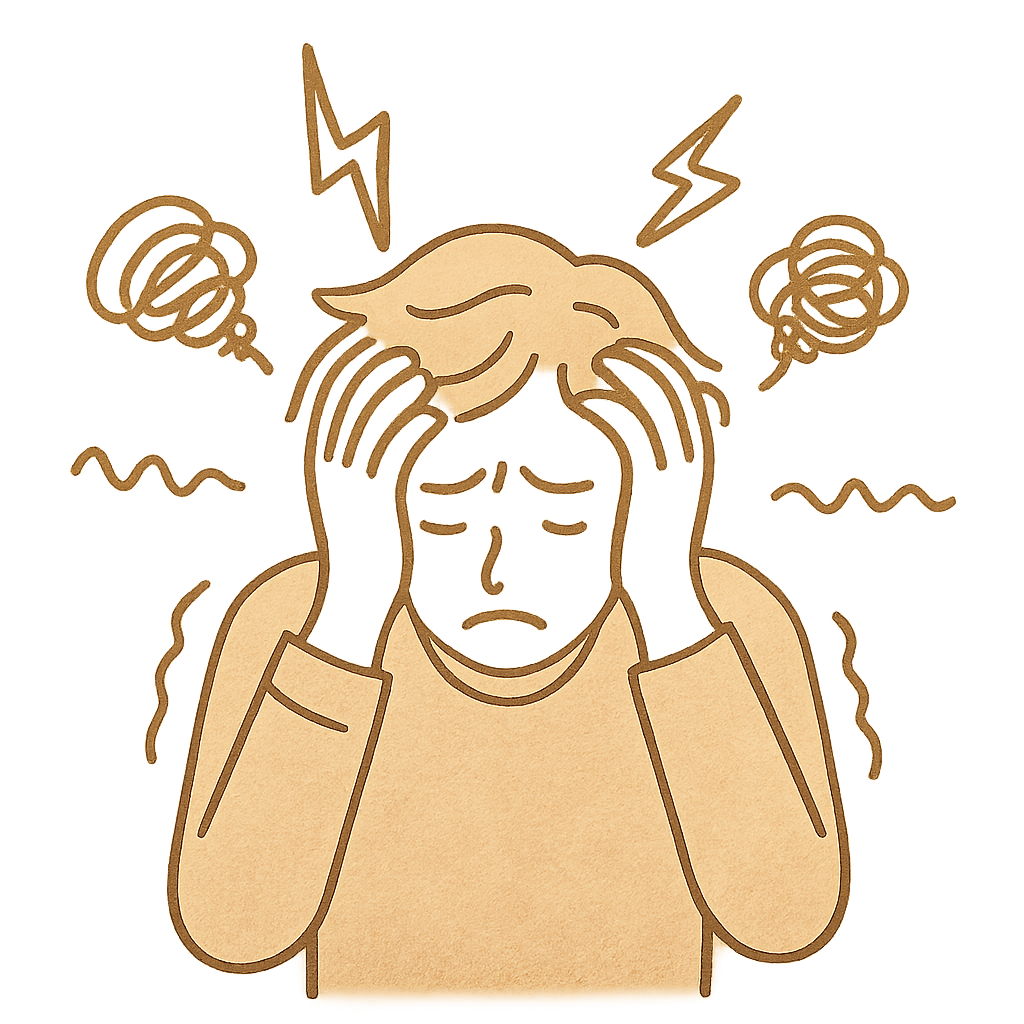
Mental Health Issues
Children who grow up with
Relationship Difficulties
Emotionally abused children often struggle with forming healthy relationships. They may have difficulty trusting others, setting boundaries, or expressing their needs in a relationship. This can lead to a cycle of unhealthy relationships in adulthood, where the individual may replicate patterns of abuse or find themselves in relationships where their needs are not met.
Academic and Career Challenges
The impact of emotional abuse can also extend to a child's academic performance and career. Low self-esteem and lack of support can hinder academic success, while fear of failure and criticism can limit career opportunities. Children may also struggle with motivation and persistence, affecting their ability to achieve long-term goals.
How to Deal with Emotionally Abusive Parents
If you suspect you are being emotionally abused by your parents, it's crucial to take steps to protect yourself and seek help. Here are some strategies:
Establish Boundaries
Setting clear boundaries with your parents can help protect your mental health. Be assertive about what behaviors you will not tolerate and stick to those boundaries. Communicating these boundaries can be challenging, especially if the parent is resistant, but it is an essential step in reclaiming your autonomy.
Seek Support
Reach out to trusted friends, family members, or a mental health professional. Talking to someone who understands your situation can provide validation and guidance. Support groups, both online and in-person, can also offer a sense of community and shared experience, helping you feel less isolated.
Practice Self-Care
Engage in activities that promote your well-being and help you manage stress. This can include exercise, meditation, journaling, or pursuing hobbies that bring you joy. Self-care is not just about relaxation; it is about strengthening your resilience and reinforcing your self-worth.
Develop a Safety Plan
If you feel threatened or unsafe, it's important to have a plan in place. This might include identifying a safe place to go, having emergency contacts, and knowing how to reach out for help if needed. Understanding your options can empower you to take control of your situation and prioritize your safety.
Healing from Emotional Abuse

Recovering from emotional abuse is a journey that requires patience and self-compassion. The path to healing is unique for everyone, but several steps can aid in the process:
Therapy and Counseling
Professional therapy can provide a safe space to process your experiences and learn coping strategies. Cognitive-behavioral therapy (CBT) is particularly effective in addressing the effects of emotional abuse. Therapists can help you identify and challenge negative thought patterns, promoting healthier ways of thinking and behaving.
Building a Support Network
Surround yourself with supportive individuals who respect and care for you. Building a network of positive relationships can help rebuild your trust and confidence. These connections can offer emotional support, practical advice, and a sense of belonging.
Focus on Personal Growth
Set personal goals and work towards them at your own pace. Celebrating small achievements can boost your self-esteem and remind you of your capabilities. Personal growth can involve learning new skills, pursuing education, or engaging in activities that align with your values and interests.
Conclusion
Understanding and acknowledging the impact of
If you or someone you know is dealing with


