Isolation in Relationships: Recognize and Overcome
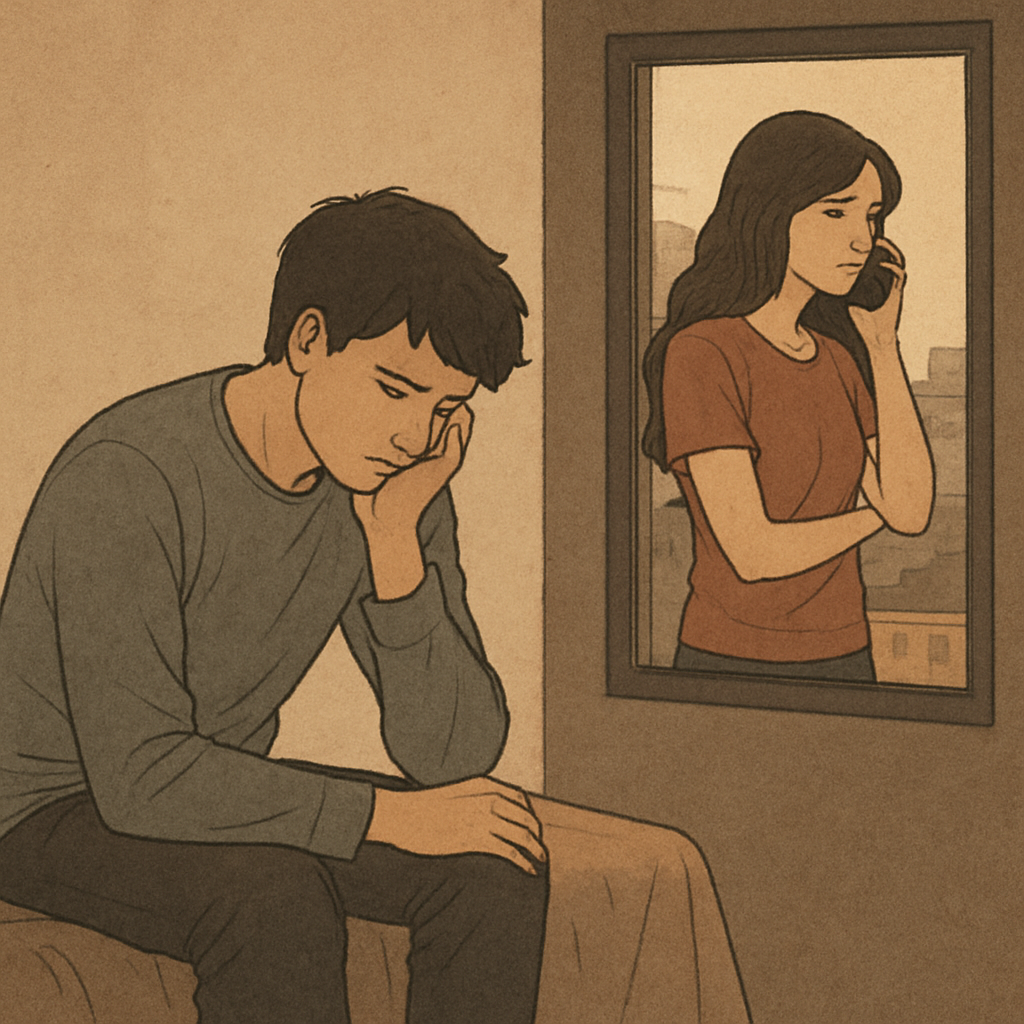
Isolation is one of the most powerful and least understood dynamics in unhealthy relationships and dysfunctional families. It rarely begins dramatically. There is usually no single moment where someone announces that you are being cut off from your support system. Instead, it unfolds gradually — through suggestion, influence, guilt, relocation, or emotional pressure — until your world feels smaller and your perspective feels narrower.
Isolation can happen in romantic relationships, but it can also happen inside families. In both settings, the outcome is similar: the person being isolated becomes increasingly dependent, less confident in their own perception, and less connected to outside sources of reality and support.
Understanding how isolation works is critical because it often precedes deeper emotional, psychological, or even physical harm.
What Isolation Actually Looks Like
In romantic relationships, isolation often begins subtly. A partner may express discomfort about your friends, question your family’s motives, or frame outside relationships as threats to your bond. Over time, what begins as preference — “Let’s just spend time together” — becomes expectation. You may find yourself declining invitations, sharing less with loved ones, or feeling guilty for maintaining independent relationships.
In family systems, isolation can take different forms. It may involve repeated moves that prevent children from forming stable attachments outside the home. It may involve strict rules about not discussing family matters. Sometimes it includes criticism of teachers, relatives, or mentors who express concern. The message is often indirect but clear: loyalty belongs inside the system, not outside of it.
Isolation in families frequently protects secrets. In romantic relationships, it often protects control.
Subtle Versus Overt Isolation
Overt isolation is easier to identify. It may involve forbidding contact with specific people, monitoring phone calls or messages, restricting transportation, or controlling finances. When these tactics appear, the control is visible.
Subtle isolation is harder to name. It can look like persistent criticism of your friends. It can sound like concern: “They don’t really care about you the way I do.” It can appear as emotional withdrawal whenever you prioritize someone else. It can even show up as encouragement to relocate for a “fresh start.”
Because subtle isolation often feels relational rather than controlling, it is frequently rationalized. By the time it becomes obvious, your outside connections may already be weakened.
The Role of Manipulation
Isolation is rarely enforced without psychological reinforcement. It is supported by narratives that create confusion and dependency.
You may be told that others are jealous of you. You may be encouraged to believe that you are misunderstood by everyone except the isolating person. You may begin to question your own judgment. Over time, your confidence in your independent perception erodes.
In families, this dynamic may show up as loyalty tests between siblings or the expectation that one child manages a parent’s emotions. In romantic relationships, it may involve making you feel guilty for spending time away or implying that independence is disloyalty.
Eventually, you may begin isolating yourself. That is when the dynamic becomes self-sustaining.
Dependency and Control
Isolation increases dependency. Dependency increases control.
When outside voices are reduced, the isolating person’s influence expands. Financial dependence may increase. Emotional reliance may deepen. Decision-making may shift toward the controlling partner or parent. You may begin to doubt your own capacity to function independently.
In family systems, isolation can contribute to parentification, where a child becomes responsible for managing a parent’s emotional stability. In adult relationships, it can create a power imbalance where one partner becomes the central source of approval, validation, and permission.
The smaller your support network becomes, the harder it is to leave or even question the situation.
Common Signs of Isolation
Isolation does not always feel dramatic. Often, it feels like gradual withdrawal.
You may notice that you speak to friends less frequently. You may feel anxious about sharing details of your relationship or family life. You may begin to abandon hobbies or activities that once grounded you. You may feel guilty for wanting time away. You may struggle to remember who you were before the relationship became your primary focus.
One of the most telling signs is the belief that the isolating person is your only real source of support. When that belief takes hold, your world becomes fragile.
How Does Isolation Happen?
Isolation can manifest in various ways. It may start with seemingly harmless suggestions, like spending more time together as a couple or moving to a new city for a fresh start. Over time, these suggestions can become demands, and the isolated partner may find themselves cut off from their support network.
Controlling Communication
One of the most common tactics of isolation is controlling communication. This may involve monitoring phone calls, reading text messages, or limiting access to social media. By controlling these lines of communication, the isolating partner ensures that their partner's interactions with others are reduced or entirely removed. This tactic can be subtle, such as expressing concern over the time spent on the phone, or overt, like outright forbidding certain conversations.
Discouraging Social Interactions
Another tactic used in isolation is discouraging social interactions. The isolating partner might express jealousy or disapproval when their partner spends time with friends or family. They might make their partner feel guilty for wanting to maintain these relationships, framing it as a lack of commitment to the romantic relationship. Over time, this discouragement can lead to a significant reduction in social interactions, further isolating the individual.
Criticizing Loved Ones
Criticizing loved ones is a powerful tactic for creating distance between the isolated partner and their support network. The isolating partner may speak negatively about the other partner's friends or family, planting seeds of doubt about their intentions or character. This can create tension and mistrust, making the isolated partner more reluctant to seek support from those who care about them.
Suggesting Relocation
Suggesting relocation is a more drastic tactic used to isolate a partner from their support network. By moving to a new city or area, the isolated partner is physically removed from their friends and family, making it more challenging to maintain those relationships. This tactic can be disguised as a new beginning or an exciting adventure, but the underlying motive is to reduce contact with the support network.
Financial Control
Financial control is another common aspect of isolation. The isolating partner may limit access to money or financial resources, making it difficult for the other partner to maintain independence. This control can extend to monitoring spending, restricting employment opportunities, or withholding financial support. Financial control creates a dependency that can be incredibly challenging to break free from.
Emotional Manipulation
Emotional manipulation is often intertwined with isolation tactics. The isolating partner may use guilt, shame, or fear to influence their partner's behavior. They might accuse their partner of not being committed enough to the relationship or use past mistakes as leverage. This emotional manipulation can create confusion and self-doubt, making it difficult for the isolated partner to see the situation clearly.
Signs of Isolation in a Relationship

Emotional Dependence
One of the first signs is growing emotional dependence on your partner. You may feel that your partner is the only person you can rely on or trust, even though this is not the reality.
Increasing Emotional Reliance
Emotional reliance on your partner may start subtly, with you seeking their opinion on minor decisions. Over time, it can escalate to the point where you feel incapable of making decisions without their input. This growing dependence can make you doubt your judgment and feel lost without their guidance. It's essential to recognize this shift and understand the importance of maintaining your autonomy.
Feeling Isolated from Emotional Support
As emotional dependence grows, you might notice a decrease in your interactions with other sources of emotional support, such as friends or family. Conversations with loved ones may become less frequent, and you might start to feel disconnected from those who once provided comfort and advice. This isolation can create a vacuum where your partner's influence becomes all-encompassing.
Confusion and Self-Doubt
Emotional dependence often leads to confusion and self-doubt. You might find yourself questioning your feelings or decisions, wondering if you're overreacting or being unreasonable. This self-doubt can be exacerbated by your partner's manipulation, making it challenging to trust your instincts and seek help.
Reduced Social Interactions
If you find yourself spending less time with friends and family or avoiding social gatherings you once enjoyed, it may be due to your partner's influence.
Gradual Withdrawal from Social Circles
The reduction in social interactions often occurs gradually. You might start by declining invitations to events, citing reasons like being too busy or needing to prioritize your relationship. Over time, these excuses become habitual, and you find yourself increasingly isolated from your social circles. Recognizing this withdrawal is crucial for understanding the impact of your partner's influence.
Feelings of Guilt and Obligation
Feelings of guilt and obligation often accompany reduced social interactions. You may feel guilty for wanting to spend time with friends or family, believing it detracts from your commitment to your partner. This guilt can be reinforced by your partner, who may suggest that choosing others over them indicates a lack of love or loyalty.
Changes in Social Behavior
Changes in social behavior, such as avoiding social gatherings or feeling anxious about attending events, can be signs of isolation. You might find yourself making excuses to avoid interactions you once looked forward to, or you may feel anxious about how your partner will react to your socializing. These changes in behavior indicate the profound impact isolation can have on your social life.
Loss of Personal Interests
Isolation can lead to losing interest in hobbies or activities you once loved. This can happen as a result of subtle discouragement or criticism from your partner.
Erosion of Individual Identity
The loss of personal interests often signals an erosion of your individual identity. As you become more focused on your partner's needs and desires, you may neglect your passions and hobbies. This shift can lead to a sense of emptiness and loss, as you struggle to reconnect with the activities that once brought you joy.
Partner's Influence on Interests
Your partner's influence may extend to your interests, subtly discouraging or outright criticizing your hobbies. They might suggest that your interests are a waste of time or imply that you should be focusing on the relationship instead. This discouragement can lead to a gradual abandonment of the activities that were once an integral part of your life.
Rediscovering Lost Interests
Rediscovering lost interests is an essential step in regaining your independence. Take time to reflect on the activities that once brought you happiness and consider reintroducing them into your life. Reconnecting with your passions can help rebuild your sense of identity and provide a source of fulfillment outside of your relationship.
Feeling Trapped
You might feel trapped in the relationship, believing that leaving would result in losing your only source of support or love.
Perception of Limited Options
Feeling trapped often stems from a perception of limited options. You may believe that leaving the relationship would mean losing your primary source of emotional or financial support. This perception can create a sense of helplessness, making it difficult to envision a life outside of the relationship.
Fear of the Unknown
The fear of the unknown can be a powerful deterrent to seeking change. You might worry about the challenges of starting over or fear the reaction of your partner if you attempt to leave. This fear can paralyze you, preventing you from taking the necessary steps to regain your independence.
Building a Support Network
Building a support network is crucial for overcoming feelings of entrapment. Reach out to friends, family, or support groups who can provide encouragement and guidance. Having a network of people who care about you can offer reassurance and help you feel less isolated in your journey.
The Impact of Isolation
Mental Health Effects
Isolation can lead to anxiety, depression, and feelings of helplessness. The lack of social support exacerbates these issues, making it difficult for the isolated partner to seek help.
Anxiety and Depression
The mental health effects of isolation often manifest as anxiety and depression. The constant stress of navigating a controlling relationship can lead to chronic anxiety, making it challenging to relax or find peace of mind. Depression may arise from feelings of loneliness and helplessness, as the isolated partner struggles to cope with their circumstances.
Feelings of Helplessness
Helplessness is a common emotional response to isolation. The lack of control over one's life and the perception of limited options can create a sense of hopelessness. This helplessness can be overwhelming, making it difficult for the isolated partner to envision a way out or seek support.
Barriers to Seeking Help
The lack of social support creates significant barriers to seeking help. Without a network of trusted individuals to turn to, the isolated partner may feel reluctant or ashamed to reach out for assistance. This isolation can perpetuate the cycle of dependency and control, making it challenging to break free.
Relationship Dynamics
The power imbalance created by isolation can lead to a toxic relationship dynamic, where one partner holds all the control. This situation can escalate into emotional or even physical abuse.
Power Imbalance
Isolation often results in a significant power imbalance within the relationship. The isolating partner holds control over various aspects of their partner's life, from finances to social interactions. This power imbalance can create a toxic dynamic, where the isolated partner feels unable to assert themselves or make independent decisions.
Escalation to Abuse
The toxic dynamics created by isolation can escalate into more severe forms of abuse. Emotional manipulation may give way to verbal or physical abuse as the isolating partner seeks to maintain control. Recognizing these dynamics early on is crucial for preventing further escalation and protecting oneself from harm.
Breaking Free from Control
Breaking free from control requires courage and determination. It involves recognizing the toxic dynamics at play and taking steps to assert one's independence. Seeking support from trusted individuals or professionals can provide the guidance and encouragement needed to regain control over one's life.
Domestic Violence and Isolation

Isolation is often a tactic used in domestic violence situations. By cutting off their partner's support network, the abusive partner gains more control, making it challenging for the victim to leave or seek help.
Husband Isolates Wife from Family
In many cases, the husband may isolate the wife from her family as a means of control. This tactic is particularly harmful as it removes the wife's primary support system, leaving her more vulnerable to other forms of abuse.
The Cycle of Control
The cycle of control often begins with isolation, as the husband seeks to weaken the wife's support network. By cutting her off from family and friends, he ensures that she has fewer resources to turn to for help. This cycle can be difficult to break, as the wife may feel trapped and powerless in the face of her husband's control.
Emotional and Psychological Impact
The emotional and psychological impact of isolation can be devastating. The wife may experience feelings of loneliness, despair, and fear as she navigates the relationship without the support of her loved ones. This isolation can lead to a loss of self-esteem and a sense of dependency on her husband, making it challenging to envision a way out.
Reversing Isolation - What Can You Do?
Taking action against
Reconnect with Loved Ones
Make an effort to reconnect with friends and family. They can offer support and help you gain perspective on your situation.
Small Steps to Reconnection
Reconnecting with loved ones can start with small steps. A simple phone call, text message, or coffee date can help reestablish connections and remind you of the support that is available. Taking these small steps can build momentum and encourage further engagement with your support network.
Building Trust and Communication
Building trust and communication with loved ones is essential for overcoming isolation. Openly sharing your experiences and feelings can foster understanding and strengthen relationships. By being honest about your situation, you can create a supportive environment where you feel comfortable seeking help.
Strengthening Bonds
Strengthening bonds with loved ones can provide a sense of security and belonging. Engaging in shared activities, celebrating milestones, or creating new traditions can deepen these connections. Strong bonds with friends and family can serve as a protective factor against future attempts at isolation.
Seek Professional Help
Consider talking to a therapist or counselor who can help you understand your situation and develop a plan to regain your independence.
Finding the Right Therapist
Finding the right therapist is an important step in seeking professional help. Look for someone who specializes in relationship dynamics or domestic abuse, as they will have the expertise to guide you through your situation. A good therapist can provide a safe space to explore your feelings and develop a plan for moving forward.
Developing Coping Strategies
A therapist can help you develop coping strategies to manage the emotional impact of isolation. These strategies might include mindfulness techniques, stress management exercises, or communication skills. By building these skills, you can better navigate the challenges of your relationship and work toward regaining your independence.
Creating an Action Plan
Creating an action plan with your therapist can provide a roadmap for regaining control over your life. This plan might include steps for reestablishing connections, building a support network, or addressing financial concerns. Having a clear plan can empower you to take action and make positive changes.
Create a Safety Plan
If you are in an abusive relationship, it's crucial to have a safety plan. This plan should include who to contact, where to go, and what to do in case of an emergency.
Identifying Safe Spaces
Identifying safe spaces is a key component of a safety plan. Consider locations where you can seek refuge, such as a friend's house, a family member's home, or a local shelter. Having designated safe spaces can provide peace of mind and a sense of security in case of an emergency.
Establishing Emergency Contacts
Establishing emergency contacts is essential for ensuring that you have support when you need it. Identify trusted individuals who can provide assistance in a crisis, such as friends, family members, or support organizations. Make sure these contacts are easily accessible and aware of your situation.
Preparing for Quick Exits
Preparing for quick exits involves having a plan in place for leaving an unsafe situation quickly. This might include packing an emergency bag with essentials, such as identification, money, and important documents. Being prepared for a quick exit can help you act decisively in an emergency and ensure your safety.
Conclusion
Isolation in relationships is a serious issue that can have lasting effects on an individual's mental and emotional health. Recognizing the signs and understanding the tactics used can help you or someone you know take steps to address the situation. Remember, seeking help is a sign of strength, and there are resources available to support you on your journey to regaining independence and well-being. By reconnecting with loved ones, seeking professional help, and creating a safety plan, you can begin to reclaim your life and build a healthier, more fulfilling future.

Host
Hi, I'm Brandon Chadwick!
In 2019, I began interviewing survivors of narcissistic and domestic abuse on my podcast, Narcissist Apocalypse. In that time, I've published over 120 survivor stories, interviewed countless experts in the field, from therapists, to lawyers, to domestic violence advocates and agencies.
My philosophy for the podcast was to be different, and to me, that meant to be real, not clinical. My goal was to help survivors tell/validate their own stories, but to also validate and teach other survivors through those stories. And a crazy thing happened, it worked.
Narcissist Apocalypse has grown beyond my wildest dreams. It now reaches upwards of 10,000 listeners an episode and it keeps growing every day. If you read the reviews on Apple Podcasts, you can see just how much of an impact the show has made in the lives of our community members. Yes, we are now a community.
Narcissist Apocalypse has evolved into something bigger. We've taken the philosophy of the podcast and have extended it to power our support groups. Narcissist Apocalypse isn't just me anymore. We are now a community. And that community is here to support you at every step of your healing process and beyond.
Being part of your lives and watching people grow in our support groups has been quite an honor. So I just wanted to say thank you. Thank you for sharing. Thank you for listening. And a big thank you for helping everyone feel less alone. Welcome to our community.
With Much Love,
Brandon Chadwick


