Losing Your Identity In Abuse: When You Are No Longer You
Many survivors describe a painful realization after leaving abusive or manipulative relationships:
“I don’t know who I am anymore.”
They may struggle to identify their preferences, goals, values, or even basic likes and dislikes.
Life often feels shaped around other people’s needs rather than their own.
This loss of identity isn’t a personal failure.
It’s a common outcome of long-term emotional invalidation, people-pleasing, self-gaslighting that teaches people to doubt their reality and minimize their needs, and survival mode.
Understanding why identity fades — and how to reconnect with yourself — is a powerful step in healing.
How Abuse Gradually Erodes Identity
In healthy relationships, individuals are encouraged to express themselves.
In unhealthy or abusive dynamics, self-expression is often discouraged or punished.
Survivors may:
- Hide emotions to avoid conflict
- Change behavior to please others
- Minimize their needs
- Doubt preferences
- Prioritize others’ comfort
Over time, the authentic self becomes smaller.
The focus shifts to staying safe and keeping peace.
This gradual erosion is closely tied to people-pleasing as a trauma response and the internalization of self-gaslighting.
The Role of Emotional Invalidation
When feelings are repeatedly dismissed, survivors learn not to trust their internal experiences.
Instead of asking:
- “What do I feel?”
- They begin asking:
- “What should I feel?”
This trains people to look outward rather than inward.
Emotions — which often guide identity — are muted.
Repeated emotional invalidation teaches people to doubt and suppress their inner world.
How Narcissistic Abuse Intensifies Identity Loss
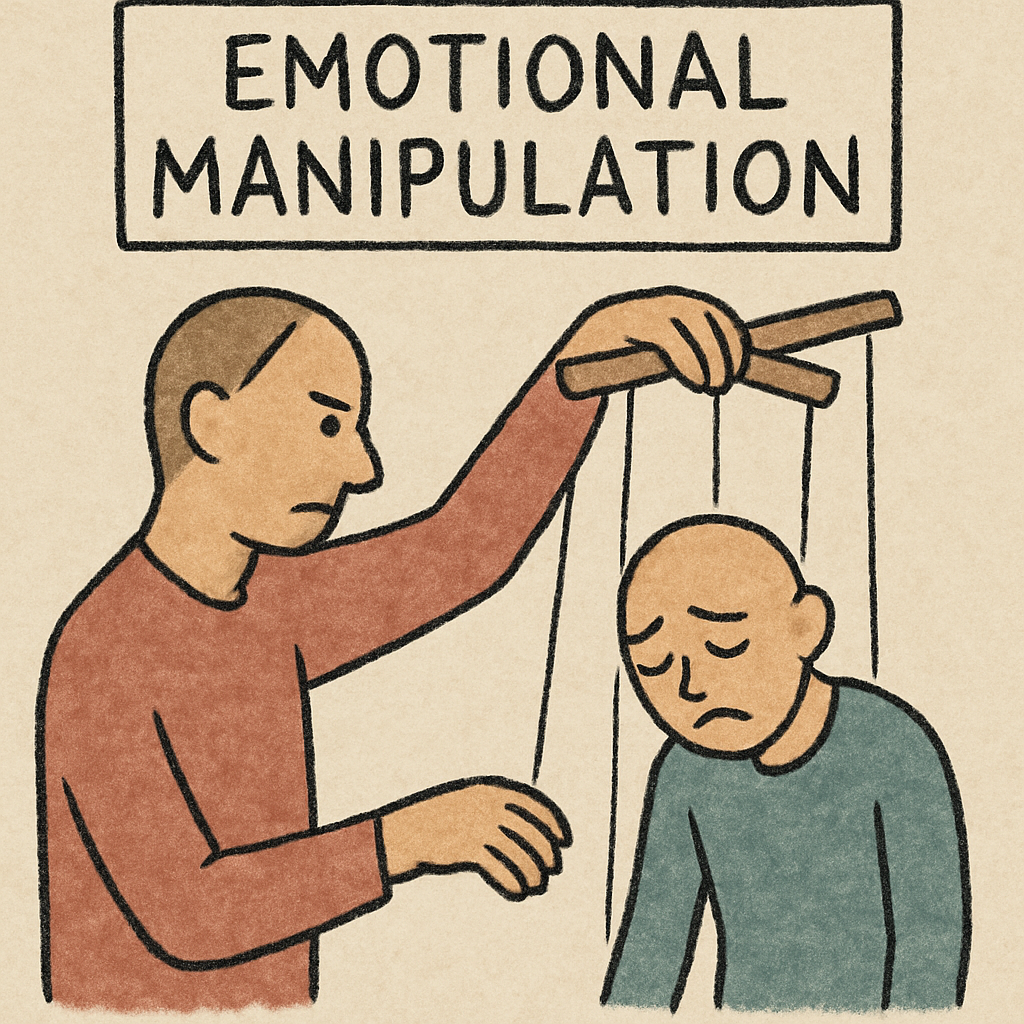
Narcissistic abuse often revolves around control.
Abusive partners may:
- Criticize interests
- Dismiss opinions
- Demand attention
- Center everything around themselves
Slowly, the survivor’s life becomes about meeting the abuser’s needs.
Personal dreams, hobbies, and values fade into the background.
This dynamic is common in narcissistic abuse that erodes self-trust over time.
Survival Mode and Identity
When the nervous system is focused on safety, there’s little room for self-exploration.
Survival mode prioritizes:
- Avoiding conflict
- Managing others’ emotions
- Staying alert
Personal growth takes a back seat.
Living in survival mode keeps the body focused on safety rather than self-development.
Signs You May Have Lost Touch With Your Identity
You might notice:
- Difficulty knowing what you want
- Feeling empty or numb
- Going along with others’ plans automatically
- Struggling to make choices
- Not recognizing yourself anymore
- Feeling disconnected from passions
Many survivors also experience decision paralysis when identity and self-trust have been eroded.
These experiences are incredibly common after abuse.
Why Reconnecting With Yourself Feels Hard
Many survivors feel guilty focusing on themselves.
They may think:
- “I should be grateful.”
- “I shouldn’t need so much.”
- “It’s selfish to focus on me.”
These thoughts often come from years of conditioning rooted in guilt and obligation.
Fear, obligation, and guilt often make self-focus feel unsafe.
Reconnecting with identity may also bring up grief for lost time.
Both are normal.
How to Begin Rebuilding Your Identity
Healing isn’t about instantly knowing who you are.
It’s about gentle rediscovery.
Some helpful steps include:
Explore Small Preferences
Notice what you like — music, food, activities.
Try New Experiences
Curiosity helps reconnect with joy.
Journal
Writing can uncover thoughts and feelings.
Validate Your Feelings
Your internal world matters.
Set Boundaries
Boundaries create space for self-growth.
Learning why boundaries feel difficult after trauma can support this process.
Why Self-Trust Is Essential for Identity
Identity grows when you trust your feelings and choices.
As self-trust rebuilds, clarity about who you are returns.
Rebuilding self-trust after abuse is a key part of reconnecting with identity.
The Healing Power of Shared Journeys
Many survivors find comfort hearing others describe losing and rediscovering themselves.
It reminds them they’re not alone.
Survivor stories and trauma-informed conversations — like those shared on Narcissist Apocalypse — often help people feel hopeful about reconnecting with their authentic selves.
The Bottom Line
Losing your identity after abuse is incredibly common.
It doesn’t mean you’re broken.
It means your energy was spent surviving rather than thriving.
Self-gaslighting, people-pleasing, emotional invalidation, and manipulation all contribute to this loss.
Healing involves slowly reconnecting with your inner world.
With compassion and time, your sense of self returns.
And when it does, life begins to feel like yours again.

Host
Hi, I'm Brandon Chadwick!
In 2019, I began interviewing survivors of narcissistic and domestic abuse on my podcast, Narcissist Apocalypse. In that time, I've published over 120 survivor stories, interviewed countless experts in the field, from therapists, to lawyers, to domestic violence advocates and agencies.
My philosophy for the podcast was to be different, and to me, that meant to be real, not clinical. My goal was to help survivors tell/validate their own stories, but to also validate and teach other survivors through those stories. And a crazy thing happened, it worked.
Narcissist Apocalypse has grown beyond my wildest dreams. It now reaches upwards of 10,000 listeners an episode and it keeps growing every day. If you read the reviews on Apple Podcasts, you can see just how much of an impact the show has made in the lives of our community members. Yes, we are now a community.
Narcissist Apocalypse has evolved into something bigger. We've taken the philosophy of the podcast and have extended it to power our support groups. Narcissist Apocalypse isn't just me anymore. We are now a community. And that community is here to support you at every step of your healing process and beyond.
Being part of your lives and watching people grow in our support groups has been quite an honor. So I just wanted to say thank you. Thank you for sharing. Thank you for listening. And a big thank you for helping everyone feel less alone. Welcome to our community.
With Much Love,
Brandon Chadwick
Types of Invalidating Family Environments