Sexual Coercion in Marriage: Understanding Abuse
Understanding Sexual Coercion in Marriage Dynamics
Marriage is often idealized as a sacred union grounded in love, trust, and mutual respect. The reality, however, is that not all marriages fit this idyllic image. Some relationships become entangled in unhealthy patterns, and in severe cases, abusive dynamics emerge. Among these,
At its core, sexual coercion is an abuse of power. It can occur through various methods, including psychological pressure or emotional manipulation. Unlike physical force, which is overt and easy to identify, these tactics are often subtle and insidious, making them harder to recognize. A partner may use guilt, fear, or obligation to coerce the other into sexual acts, undermining the essence of consent.

Sexual coercion can manifest in diverse forms, each damaging in its own right:
Emotional Abuse : This form of coercion involves guilt-tripping, shaming, or blaming a partner for not meeting sexual expectations. The partner may feel compelled to consent out of guilt or fear of emotional retaliation. The coercive partner may exploit the emotional vulnerability of their spouse, twisting their love and respect into tools of control.- Threats or Intimidation: Coercive partners may employ threats of harm, divorce, or other negative consequences to enforce compliance. These threats can be explicit or implicit, creating an environment of fear and submission. The victim may consent to sexual activity out of a sense of survival or to maintain peace in the relationship.
- Manipulation:
Sexual coercion in marriage involves twisting situations or words to make a partner feel obligated or responsible for engaging in sexual activity. The manipulative partner might play on feelings of responsibility or guilt, making the victim question their own perceptions and boundaries. This psychological manipulation erodes the victim's sense of self and autonomy.
It is crucial to recognize that sexual coercion does not always involve physical force. Often, it is the subtler, psychological tactics that prove just as damaging. These methods can leave deep emotional scars, as the victim may struggle with feelings of betrayal and confusion. Understanding these subtleties is the first step in addressing and preventing coercive behaviors within marriages.
The repercussions of sexual coercion are profound and far-reaching, affecting both the individual victim and the marriage as a whole. It can inflict severe emotional and psychological damage, leading to long-term consequences for mental health and relationship stability. Recognizing the impact of sexual coercion is crucial in addressing its presence in a marriage.
Victims of
- Depression and Anxiety: The relentless pressure and manipulation can lead to chronic stress, anxiety, and depression. The victim may feel trapped and powerless, unable to escape the coercive cycle. This emotional turmoil can manifest in physical symptoms, such as insomnia, fatigue, and a weakened immune system.
- Low Self-esteem: Being devalued and disrespected erodes a victim's self-worth and confidence. The constant undermining of their autonomy can lead to self-doubt and a diminished sense of identity. Over time, the victim may internalize the abuse, believing they are deserving of such treatment.
- Trust Issues: Once trust is broken, it is incredibly challenging to rebuild. The victim may struggle to trust not only their partner but also themselves and future relationships. This breakdown of trust can lead to isolation and a reluctance to seek help or form new connections.
Sexual coercion can severely affect marital dynamics, leading to a breakdown in communication and intimacy:
- Emotional Withdrawal: The coerced partner may withdraw emotionally and physically, leading to further isolation and resentment. This withdrawal creates a chasm between partners, making it difficult to resolve conflicts or rebuild intimacy. The marriage may become a battleground of unspoken tensions and unmet needs.
- Erosion of Intimacy: The coercive dynamics erode the foundation of intimacy, turning what should be a shared experience into a source of fear and obligation. This erosion creates a toxic environment where genuine connection is replaced by manipulation and control.
- Deterioration of the Marriage: Over time, the cumulative effects of coercion can lead to the deterioration of the marriage. Communication breaks down, resentments build, and the relationship may become irreparable. The victim may feel trapped in a cycle of abuse, unable to envision a future free from coercion.
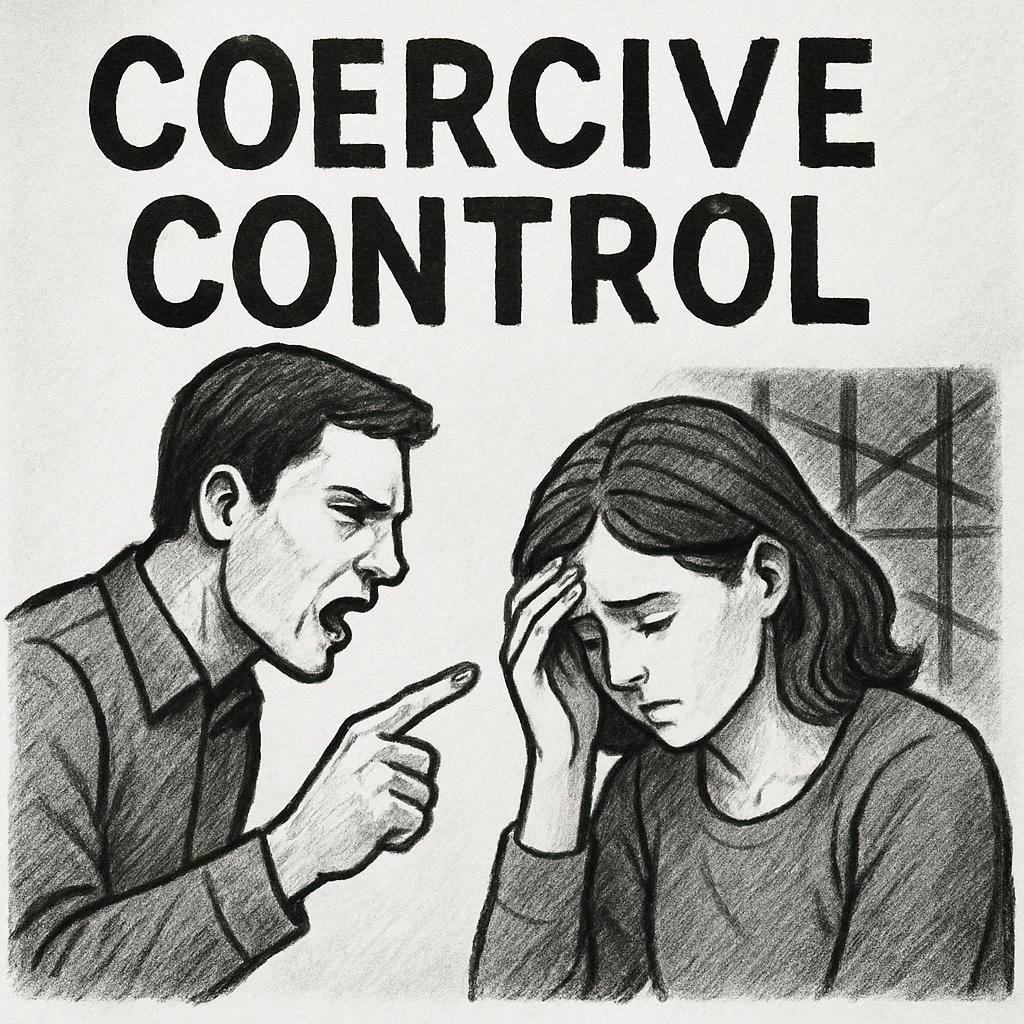
Identifying the signs of
- Isolation: The controlling partner may isolate the victim from friends and family, limiting their support network. This isolation makes the victim more dependent on the abuser, reducing their ability to seek help or escape the situation.
- Monitoring and Surveillance: The controlling partner may keep track of the victim's movements, phone calls, and interactions to exert control. This constant surveillance creates an atmosphere of fear and paranoia, undermining the victim's sense of safety and autonomy.
- Financial Control: Restricting access to money and resources, making the victim financially dependent. This financial dependency traps the victim in the relationship, as they may feel unable to leave without financial security.
If you or someone you know is experiencing sexual coercion or
Seeking support is a crucial step in addressing coercion and control:
- Talk to Someone You Trust: Sharing your experience with a trusted friend, family member, or therapist can provide invaluable support and guidance. They can offer a listening ear and help you explore your options for addressing the situation.
- Professional Help: Consider seeking help from a counselor or therapist who specializes in relationship dynamics and abuse. Professional support can provide tools and strategies for coping with the emotional and psychological impact of coercion.
- Support Groups: Joining a support group can connect you with others who have experienced similar situations, providing a sense of community and understanding. These groups can offer encouragement and practical advice for navigating your journey toward healing.
Understanding your legal rights and options is essential for protecting yourself:
- Know Your Rights: Educate yourself about your legal rights and options regarding protection orders and divorce. Knowing your rights can empower you to make informed decisions about your future.
- Reach Out to Authorities: If you feel unsafe, do not hesitate to contact law enforcement or domestic abuse hotlines for assistance. These resources can provide immediate support and guidance for ensuring your safety.
Preparing a safety plan is a proactive step toward reclaiming your autonomy:
- Prepare an Exit Strategy: Have a plan in place for leaving the situation safely if necessary. This may include having important documents, money, and a safe place to go. Planning ahead can provide peace of mind and a sense of control over your future.
- Build a Support Network: Identify people who can provide emotional and practical support during this time. Having a strong support network can make a significant difference in your ability to navigate this challenging situation.
Understanding sexual coercion within marriage dynamics is crucial for recognizing and addressing this harmful behavior. By identifying the signs of

Host
Hi, I'm Brandon Chadwick!
In 2019, I began interviewing survivors of narcissistic and domestic abuse on my podcast, Narcissist Apocalypse. In that time, I've published over 120 survivor stories, interviewed countless experts in the field, from therapists, to lawyers, to domestic violence advocates and agencies.
My philosophy for the podcast was to be different, and to me, that meant to be real, not clinical. My goal was to help survivors tell/validate their own stories, but to also validate and teach other survivors through those stories. And a crazy thing happened, it worked.
Narcissist Apocalypse has grown beyond my wildest dreams. It now reaches upwards of 10,000 listeners an episode and it keeps growing every day. If you read the reviews on Apple Podcasts, you can see just how much of an impact the show has made in the lives of our community members. Yes, we are now a community.
Narcissist Apocalypse has evolved into something bigger. We've taken the philosophy of the podcast and have extended it to power our support groups. Narcissist Apocalypse isn't just me anymore. We are now a community. And that community is here to support you at every step of your healing process and beyond.
Being part of your lives and watching people grow in our support groups has been quite an honor. So I just wanted to say thank you. Thank you for sharing. Thank you for listening. And a big thank you for helping everyone feel less alone. Welcome to our community.
With Much Love,
Brandon Chadwick


