The Self-Blame Cycle Explained: Is It My Fault?
Many survivors don’t just struggle with self-doubt — they struggle with an almost reflexive habit of blaming themselves for anything that goes wrong.
When conflict happens, they think:
- “What did I do wrong?”
- “Why am I like this?”
- “This is probably my fault.”
Even when someone else behaves hurtfully, the focus turns inward.
This pattern is known as the self-blame cycle, and it plays a major role in self-gaslighting that teaches people to doubt their reality and minimize harm, staying in unhealthy relationships, and struggling with self-trust.
Understanding how this cycle forms — and how to interrupt it — can bring clarity and compassion to the healing process.
What Is the Self-Blame Cycle?
The self-blame cycle is a pattern where discomfort, conflict, or harm immediately triggers internal blame.
Instead of examining what happened objectively, the mind jumps to:
“I’m the problem.”
This often looks like:
• Taking responsibility for others’ emotions
• Excusing harmful behavior
• Assuming you caused conflict
• Apologizing even when you were hurt
• Feeling guilty for having needs
Over time, self-blame becomes automatic.
It feels like truth — even when it isn’t.
This cycle is deeply intertwined with self-gaslighting.
How the Self-Blame Cycle Develops
Self-blame rarely starts randomly.
It often forms in environments where:
- Caregivers didn’t take accountability
- Emotions were dismissed or punished
- Conflict was blamed on you
- You were expected to keep peace
Children and partners learn quickly that blaming themselves is safer than challenging others.
If the problem is you, at least you can try to fix it.
Over time, this belief becomes deeply ingrained.
Repeated emotional invalidation teaches people to turn responsibility inward.
The Role of Gaslighting in Reinforcing Self-Blame
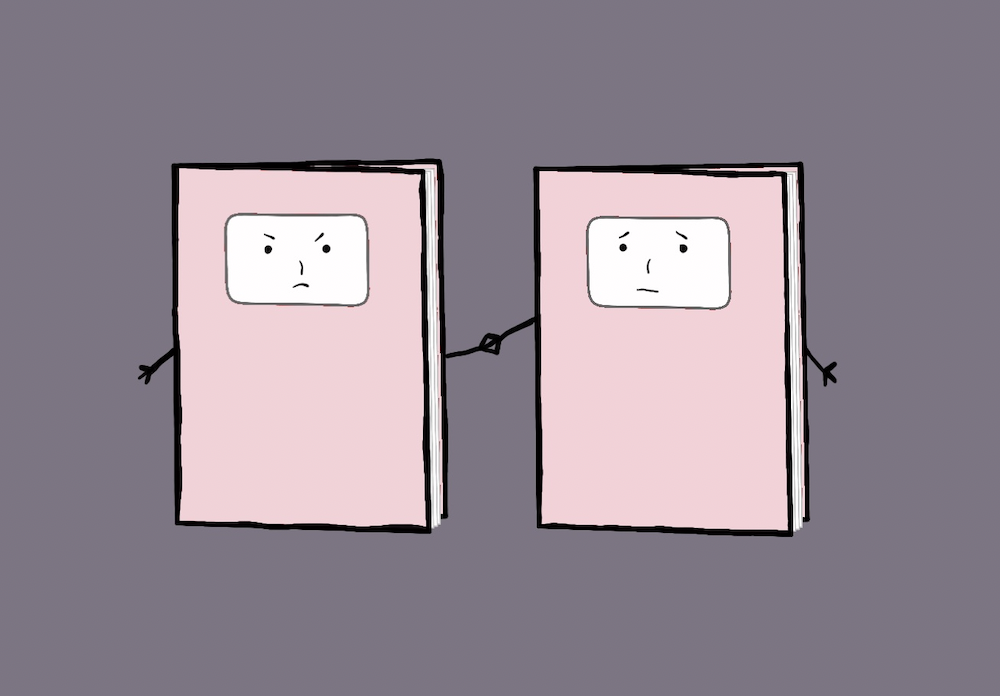
Gaslighting strengthens the self-blame cycle by constantly shifting responsibility away from the person causing harm.
Instead of addressing their behavior, the gaslighter may say:
- “You’re too sensitive.”
- “You misunderstood.”
- “You’re the one starting fights.”
This trains survivors to question themselves first.
Eventually, the internal voice takes over.
Instead of thinking:
“That behavior hurt me.”
You think:
“I must be overreacting.”
Understanding how gaslighting becomes internalized through self-gaslighting helps explain this shift.
Why Self-Blame Feels So Convincing
Self-blame often feels true because it once served a purpose.
It helped:
• Reduce conflict
• Maintain relationships
• Create a sense of control
• Avoid abandonment
If you believed you were at fault, you could work harder to please others.
In chaotic or abusive environments, this sometimes did improve short-term safety.
So the brain held onto it.
Even when it no longer helps.
How Self-Blame Feeds Self-Gaslighting
Self-blame and self-gaslighting reinforce each other.
Here’s how the loop often works:
Something hurts you →
You feel upset →
You blame yourself for feeling upset →
You minimize the original harm →
The pattern repeats
For example:
Your partner says something cruel →
You feel hurt →
You think, “I’m too sensitive” →
You dismiss the comment →
You stay quiet
Over time, harm goes unaddressed.
Self-doubt grows.
The Emotional Cost of Living in Self-Blame
Chronic self-blame often leads to:
- Shame
- Anxiety
- Depression
- Exhaustion
- Confusion
- Low self-worth
- Weak boundaries
It can feel like no matter what happens, you’re wrong.
This constant internal pressure is incredibly heavy.
Recognizing the Self-Blame Cycle in Yourself
You may notice the cycle if you:
- Automatically apologize
- Feel guilty for expressing emotions
- Assume conflict is your fault
- Try to fix situations you didn’t cause
- Minimize your hurt
- Focus on your reactions instead of others’ behavior
If this resonates, it doesn’t mean you’re broken.
It means you adapted.
How to Begin Breaking the Self-Blame Cycle
Healing doesn’t mean never taking responsibility.
It means taking responsibility appropriately — without erasing harm done to you.
Some helpful steps include:
Pause Before Blaming Yourself
Notice the urge and take a breath.
Validate Your Feelings
“I feel hurt. That matters.”
Ask Balanced Questions
Instead of “What did I do wrong?” try:
“What happened here?”
Look for Patterns
Repeated harm isn’t caused by one reaction.
Learning to rebuild self-trust after abuse helps interrupt this cycle.
Practice Self-Compassion
Talk to yourself as you would to a friend.
Why Letting Go of Self-Blame Feels Unsettling
For many survivors, self-blame once created predictability and control.
Letting it go can feel like stepping into uncertainty.
It may bring up grief, anger, or sadness about what actually happened.
But it also creates space for healing.
The Power of Recognizing Shared Experiences
Many survivors first realize how strong their self-blame is when they hear others describe the same automatic thoughts.
Suddenly it clicks:
“This isn’t just me.”
Survivor stories and trauma-informed conversations — like those shared on Narcissist Apocalypse — often help normalize and dismantle the self-blame cycle.
The Bottom Line
The self-blame cycle teaches you to turn harm inward.
It convinces you that everything is your fault.
It fuels self-gaslighting and keeps unhealthy dynamics going.
If you automatically blame yourself, it doesn’t mean you lack accountability.
It means you learned to survive by taking responsibility for things that were never yours to carry.
Breaking the cycle is a powerful step toward clarity, self-trust, and healing.

Host
Hi, I'm Brandon Chadwick!
In 2019, I began interviewing survivors of narcissistic and domestic abuse on my podcast, Narcissist Apocalypse. In that time, I've published over 120 survivor stories, interviewed countless experts in the field, from therapists, to lawyers, to domestic violence advocates and agencies.
My philosophy for the podcast was to be different, and to me, that meant to be real, not clinical. My goal was to help survivors tell/validate their own stories, but to also validate and teach other survivors through those stories. And a crazy thing happened, it worked.
Narcissist Apocalypse has grown beyond my wildest dreams. It now reaches upwards of 10,000 listeners an episode and it keeps growing every day. If you read the reviews on Apple Podcasts, you can see just how much of an impact the show has made in the lives of our community members. Yes, we are now a community.
Narcissist Apocalypse has evolved into something bigger. We've taken the philosophy of the podcast and have extended it to power our support groups. Narcissist Apocalypse isn't just me anymore. We are now a community. And that community is here to support you at every step of your healing process and beyond.
Being part of your lives and watching people grow in our support groups has been quite an honor. So I just wanted to say thank you. Thank you for sharing. Thank you for listening. And a big thank you for helping everyone feel less alone. Welcome to our community.
With Much Love,
Brandon Chadwick
Types of Invalidating Family Environments