Trauma Bonding: Why It's So Hard to Leave Harmful Relationships
Many survivors don’t just struggle to leave abusive or unhealthy relationships — they feel deeply attached to the person who hurt them.
Even after recognizing the harm, they may miss them intensely, defend them, or feel pulled back emotionally.
This confusing attachment is often the result of trauma bonding.
Trauma bonding isn’t about weakness, poor judgment, or loving too much.
It’s a powerful psychological response formed through cycles of pain and relief.
Understanding trauma bonding helps explain why self-gaslighting that teaches people to doubt their reality and minimize harm happens, why leaving feels unbearable, and why clarity often comes slowly.
What Is Trauma Bonding?
Trauma bonding occurs when strong emotional attachments form through repeated cycles of harm followed by moments of connection, affection, or relief.
In these relationships, pain and comfort become intertwined.
The person who causes distress is also the person who temporarily soothes it.
This creates a powerful emotional bond.
Common patterns include:
- Hurtful behavior followed by apologies
- Conflict followed by intense closeness
- Emotional withdrawal followed by affection
- Criticism followed by praise
The nervous system begins associating love with emotional highs and lows.
How Trauma Bonds Form in the Brain
When something painful happens in a relationship, the body releases stress hormones like cortisol.
When the pain is followed by affection or relief, the brain releases dopamine and oxytocin — chemicals linked to pleasure and bonding.
This emotional rollercoaster strengthens attachment.
The relief after pain feels incredibly powerful.
Over time, the brain craves that relief.
It becomes addictive.
This is why trauma bonds can feel similar to withdrawal when the relationship ends.
Why Trauma Bonding Makes Red Flags Easier to Ignore
In trauma-bonded relationships, the good moments feel especially meaningful because they come after pain.
Survivors may think:
“They’re really trying now.”
“They’re not always like this.”
“Things are getting better.”
The brain focuses on relief instead of harm.
This makes self-gaslighting more likely.
Instead of acknowledging patterns of abuse, survivors minimize the bad moments.
This pattern of minimizing harm is a core part of self-gaslighting.
The Role of Hope in Trauma Bonds
Hope becomes deeply tied to attachment.
Survivors often hold onto the belief that:
“If things can be good sometimes, they can be good all the time.”
They may focus on the version of their partner who appears loving and caring.
This version feels real — because it is real at times.
But it’s not consistent.
Hope keeps people invested in potential instead of reality.
This helps explain why many survivors stay in unhealthy or abusive relationships longer than they intended.
How Trauma Bonding Reinforces Self-Blame
When harmful behavior happens repeatedly, survivors often look inward for answers.
They may think:
“If I communicate better…”
“If I’m more patient…”
“If I don’t trigger them…”
Rather than recognizing the cycle itself, they blame themselves.
This feeds the self-blame cycle that keeps survivors turning harm inward and strengthens self-gaslighting.
Understanding how gaslighting becomes internalized through self-gaslighting also helps explain this process.
Trauma Bonding and Emotional Invalidation
In many trauma-bonded relationships, emotions are dismissed.
When survivors express hurt, they may be told:
“You’re too sensitive.”
“You’re overreacting.”
This teaches them to suppress feelings.
But the emotional bond remains strong.
Invalidation plus attachment creates deep confusion.
Repeated emotional invalidation trains people to doubt their feelings over time.
Why Leaving a Trauma Bond Feels Like Losing Something Precious
Leaving a trauma-bonded relationship often feels like losing:
- A best friend
- A source of comfort
- Hope for the future
- Emotional connection
Even though the relationship caused pain, the bond itself felt real and intense.
This is why many survivors feel grief that doesn’t make sense logically.
They may miss the person deeply while knowing the relationship was harmful.
Both can be true.
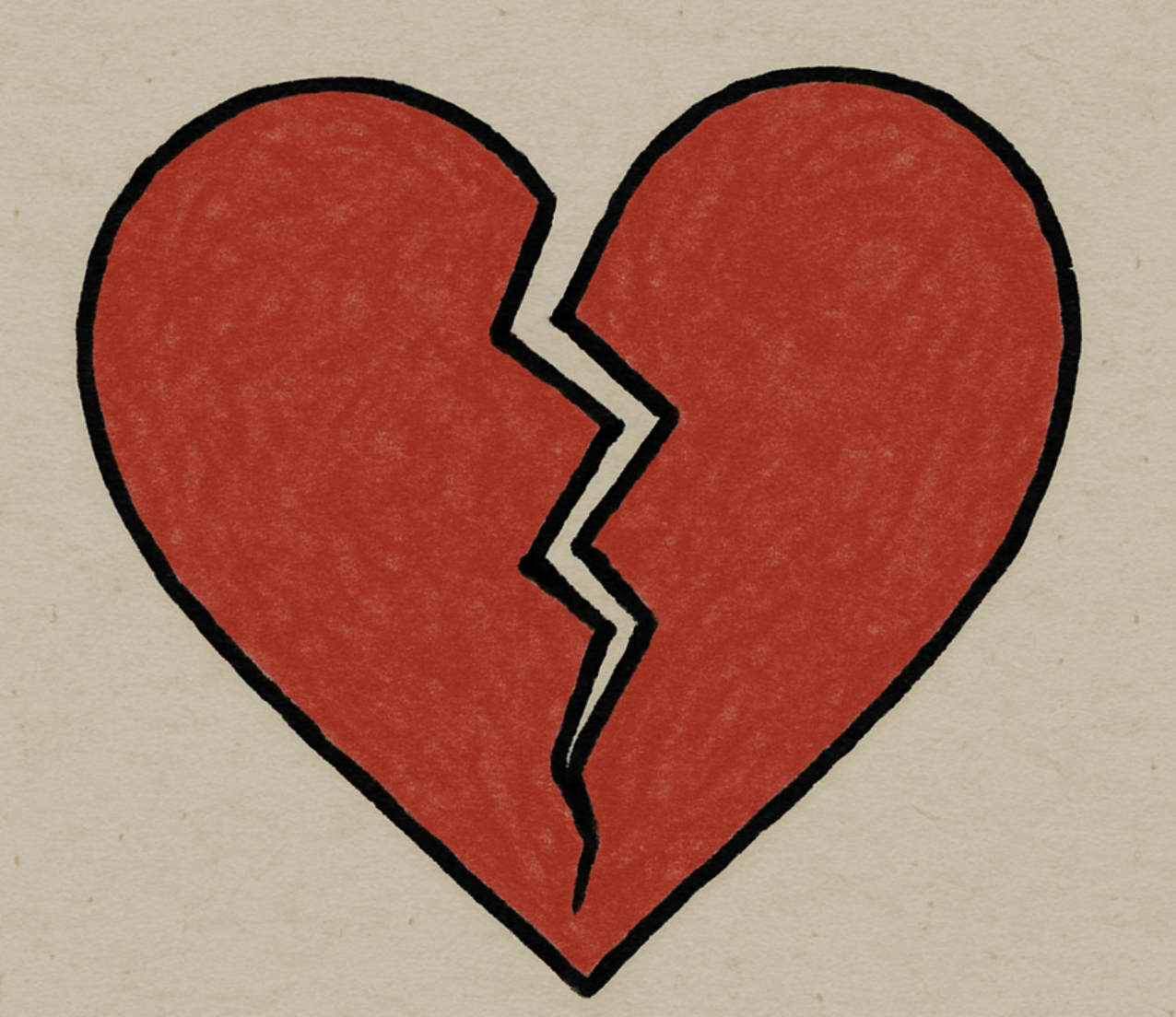
Common Signs of Trauma Bonding
You may be experiencing a trauma bond if you:
- Miss someone who hurt you
- Defend their behavior to others
- Focus mostly on the good moments
- Feel intense emotional pull despite harm
- Struggle to leave or stay away
- Feel addicted to the relationship
These reactions don’t mean you wanted the abuse.
They mean your nervous system formed a bond under stress.
Breaking a Trauma Bond
Healing doesn’t happen by forcing yourself to “just move on.”
It happens through awareness, compassion, and rebuilding safety.
Some helpful steps include:
Recognize the Cycle
See the pattern of harm and relief clearly.
Validate Your Feelings
Attachment doesn’t mean the abuse was okay.
Limit Contact When Possible
Distance helps weaken the bond.
Rebuild Self-Trust
Learning to trust yourself again reduces emotional pull.
This is a key part of rebuilding self-trust after abuse.
Seek Support
Trauma-informed therapy and survivor communities can help.
Why Trauma Bonds Fade With Clarity
As survivors gain understanding of abuse patterns, the emotional grip slowly loosens.
The good moments are no longer isolated from the harmful context.
The relationship is seen as a whole.
This clarity reduces confusion and self-gaslighting.
Over time, attachment softens.
The Role of Shared Stories in Healing Trauma Bonds
Many survivors first recognize trauma bonding when they hear others describe the same intense attachment.
Realizing it’s a common trauma response — not a personal failure — brings relief.
Survivor stories and trauma-informed conversations — like those shared on Narcissist Apocalypse — often help people understand why they felt so connected and how to heal.
The Bottom Line
Trauma bonding is a powerful emotional attachment formed through cycles of pain and relief.
It makes leaving feel impossible.
It encourages self-gaslighting.
It fuels hope in harmful dynamics.
If you felt deeply attached to someone who hurt you, it doesn’t mean you’re weak.
It means your nervous system bonded under stress.
With understanding, support, and time, trauma bonds can heal.
And as they do, clarity, peace, and self-trust return.

Host
Hi, I'm Brandon Chadwick!
In 2019, I began interviewing survivors of narcissistic and domestic abuse on my podcast, Narcissist Apocalypse. In that time, I've published over 120 survivor stories, interviewed countless experts in the field, from therapists, to lawyers, to domestic violence advocates and agencies.
My philosophy for the podcast was to be different, and to me, that meant to be real, not clinical. My goal was to help survivors tell/validate their own stories, but to also validate and teach other survivors through those stories. And a crazy thing happened, it worked.
Narcissist Apocalypse has grown beyond my wildest dreams. It now reaches upwards of 10,000 listeners an episode and it keeps growing every day. If you read the reviews on Apple Podcasts, you can see just how much of an impact the show has made in the lives of our community members. Yes, we are now a community.
Narcissist Apocalypse has evolved into something bigger. We've taken the philosophy of the podcast and have extended it to power our support groups. Narcissist Apocalypse isn't just me anymore. We are now a community. And that community is here to support you at every step of your healing process and beyond.
Being part of your lives and watching people grow in our support groups has been quite an honor. So I just wanted to say thank you. Thank you for sharing. Thank you for listening. And a big thank you for helping everyone feel less alone. Welcome to our community.
With Much Love,
Brandon Chadwick
Types of Invalidating Family Environments