Trusting Your Emotions Again After Abuse
After long periods of emotional invalidation, gaslighting, or abuse, many survivors struggle with something that once came naturally:
Trusting their own emotions.
They may feel unsure whether they’re upset “for a good reason,” wonder if they’re being too sensitive, or second-guess every emotional reaction.
They might think:
- “I shouldn’t feel this way.”
- “I’m probably overreacting.”
- “Other people wouldn’t be this bothered.”
Over time, emotions stop feeling like helpful signals and start feeling like problems.
But emotions are not the enemy.
They are one of the most important tools we have for understanding ourselves and our boundaries.
Learning to trust your emotions again is a central part of healing from self-gaslighting that teaches people to doubt their reality and minimize harm.
Why Emotions Became Hard to Trust
In healthy environments, emotions are acknowledged and explored.
In invalidating or abusive environments, emotions are often dismissed, criticized, or punished.
Survivors may have heard:
- “You’re too sensitive.”
- “Stop being dramatic.”
- “That’s not a big deal.”
- “You shouldn’t feel that way.”
Over time, the brain learns:
My emotions are wrong.
Instead of using feelings as information, survivors learn to suppress or question them.
This pattern often develops through repeated emotional invalidation.
How Gaslighting Distorts Emotional Trust
Gaslighting doesn’t just challenge memories — it challenges emotional reactions too.
When someone denies reality or minimizes harm, survivors begin doubting both what happened and how they felt about it.
For example:
You feel hurt →
They say you’re overreacting →
You start questioning your emotions
Eventually, you do this internally.
This is self-gaslighting.
Instead of trusting feelings, you dismiss them automatically.
Learning how gaslighting becomes internalized through self-gaslighting helps explain this process.
The Role of Survival Mode
When the nervous system is in survival mode, emotions often get pushed aside in favor of staying safe.
There may not have been space to feel sadness, anger, or fear.
Survivors focused on:
- Keeping peace
- Avoiding conflict
- Managing others’ moods
Emotions were inconvenient or dangerous.
So the body learned to suppress them.
Living in survival mode keeps the nervous system in constant alert.
Why Emotions May Feel Intense or Confusing Now
As healing begins and emotions resurface, many survivors feel overwhelmed.
They may experience:
- Strong reactions
- Sudden sadness or anger
- Emotional swings
- Confusion about feelings
This doesn’t mean emotions are wrong.
It often means they were suppressed for a long time and are now being released.
This is a normal part of healing.
Emotions as Information — Not Commands
One helpful shift is viewing emotions as information rather than something that must be acted on immediately.
For example:
Anger may signal a boundary was crossed.
Sadness may signal loss or hurt.
Anxiety may signal feeling unsafe.
Emotions don’t always tell you what to do — but they tell you what matters.
Learning to listen without judgment helps rebuild self-trust.
Common Ways Survivors Dismiss Their Emotions
You may notice patterns like:
- Minimizing hurt
- Comparing your pain to others
- Blaming yourself for feelings
- Trying to “logic away” emotions
- Feeling guilty for being upset
These are all forms of self-gaslighting.
Recognizing them is the first step toward change.
How to Begin Trusting Your Emotions Again
Healing doesn’t mean reacting strongly to everything.
It means acknowledging feelings before analyzing them.
Some gentle steps include:
Name the Emotion
“I feel hurt.”
“I feel angry.”
“I feel anxious.”
Validate It
“This makes sense given what happened.”
Get Curious
“What might this emotion be telling me?”
Avoid Immediate Dismissal
Try not to minimize or judge.
Practice Self-Compassion
Emotions are human.
These steps are part of rebuilding self-trust after abuse.
Emotions and Boundaries
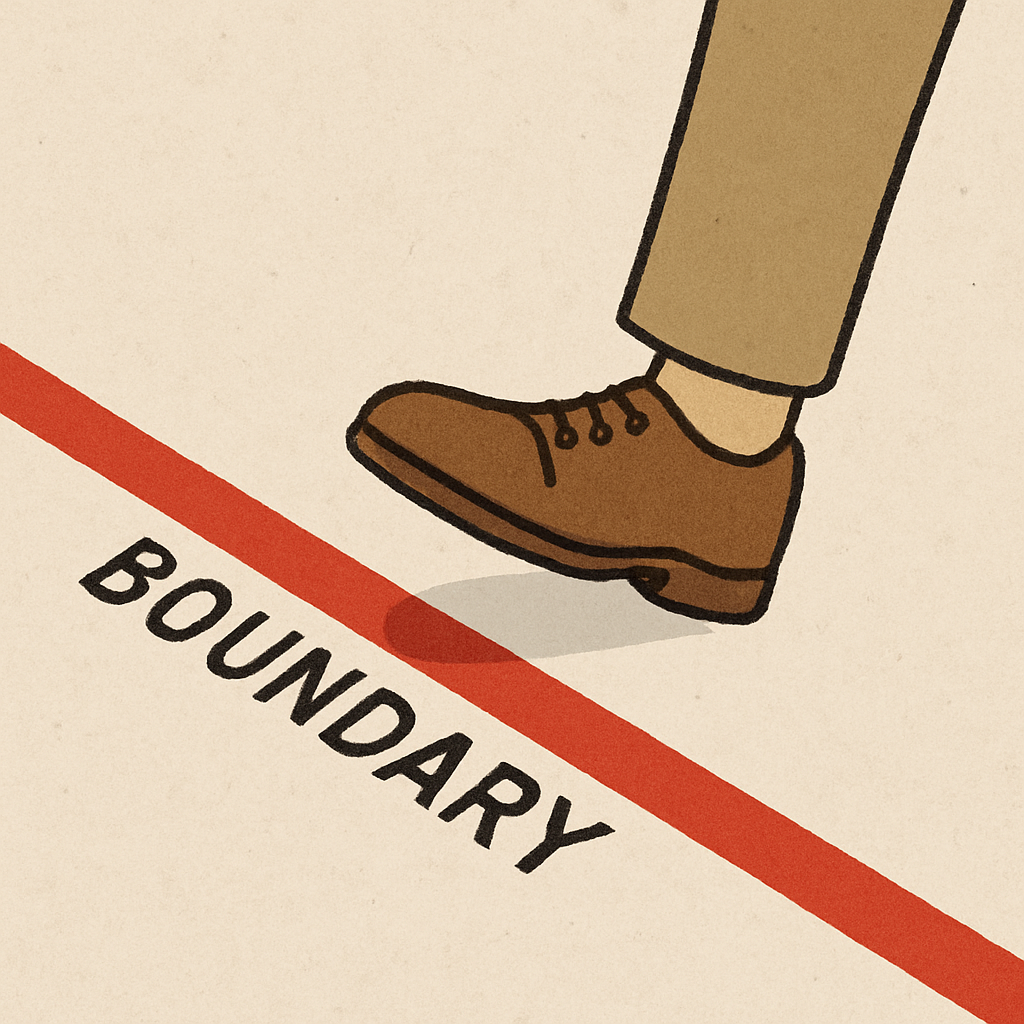
Emotions often highlight where boundaries are needed.
Discomfort can signal:
- You’re overextending
- Someone crossed a line
- A situation isn’t healthy
Learning to honor these signals supports boundary-setting.
This connects closely with why boundaries feel hard after trauma.
Why Trusting Emotions Feels Risky at First
For many survivors, trusting emotions once led to conflict or punishment.
So listening to feelings now may trigger anxiety.
This doesn’t mean you shouldn’t trust them.
It means your nervous system is adjusting.
Over time, as emotions are met with compassion instead of dismissal, they begin to feel safer.
The Healing Power of Seeing Emotional Truth Reflected Back
Many survivors begin trusting their emotions again when they hear others describe the same reactions.
Suddenly it makes sense.
They realize:
“My feelings aren’t wrong — they’re normal responses to harm.”
Survivor stories and trauma-informed conversations — like those shared on Narcissist Apocalypse — often help people reconnect with their emotional truth.
The Bottom Line
If you struggle to trust your emotions, it doesn’t mean you’re irrational or overly sensitive.
It means your feelings were dismissed for a long time.
Self-gaslighting, emotional invalidation, gaslighting, and survival mode all taught you to doubt yourself.
Learning to trust your emotions again is a powerful part of healing.
As you listen to yourself with compassion, clarity grows.
Boundaries strengthen.
And self-trust slowly returns.

Host
Hi, I'm Brandon Chadwick!
In 2019, I began interviewing survivors of narcissistic and domestic abuse on my podcast, Narcissist Apocalypse. In that time, I've published over 120 survivor stories, interviewed countless experts in the field, from therapists, to lawyers, to domestic violence advocates and agencies.
My philosophy for the podcast was to be different, and to me, that meant to be real, not clinical. My goal was to help survivors tell/validate their own stories, but to also validate and teach other survivors through those stories. And a crazy thing happened, it worked.
Narcissist Apocalypse has grown beyond my wildest dreams. It now reaches upwards of 10,000 listeners an episode and it keeps growing every day. If you read the reviews on Apple Podcasts, you can see just how much of an impact the show has made in the lives of our community members. Yes, we are now a community.
Narcissist Apocalypse has evolved into something bigger. We've taken the philosophy of the podcast and have extended it to power our support groups. Narcissist Apocalypse isn't just me anymore. We are now a community. And that community is here to support you at every step of your healing process and beyond.
Being part of your lives and watching people grow in our support groups has been quite an honor. So I just wanted to say thank you. Thank you for sharing. Thank you for listening. And a big thank you for helping everyone feel less alone. Welcome to our community.
With Much Love,
Brandon Chadwick



