Victims Protecting Abusers: Unraveling the Cycle
why do victims protect their abusers
#
The Cycle of Abuse
 Understanding the Cycle
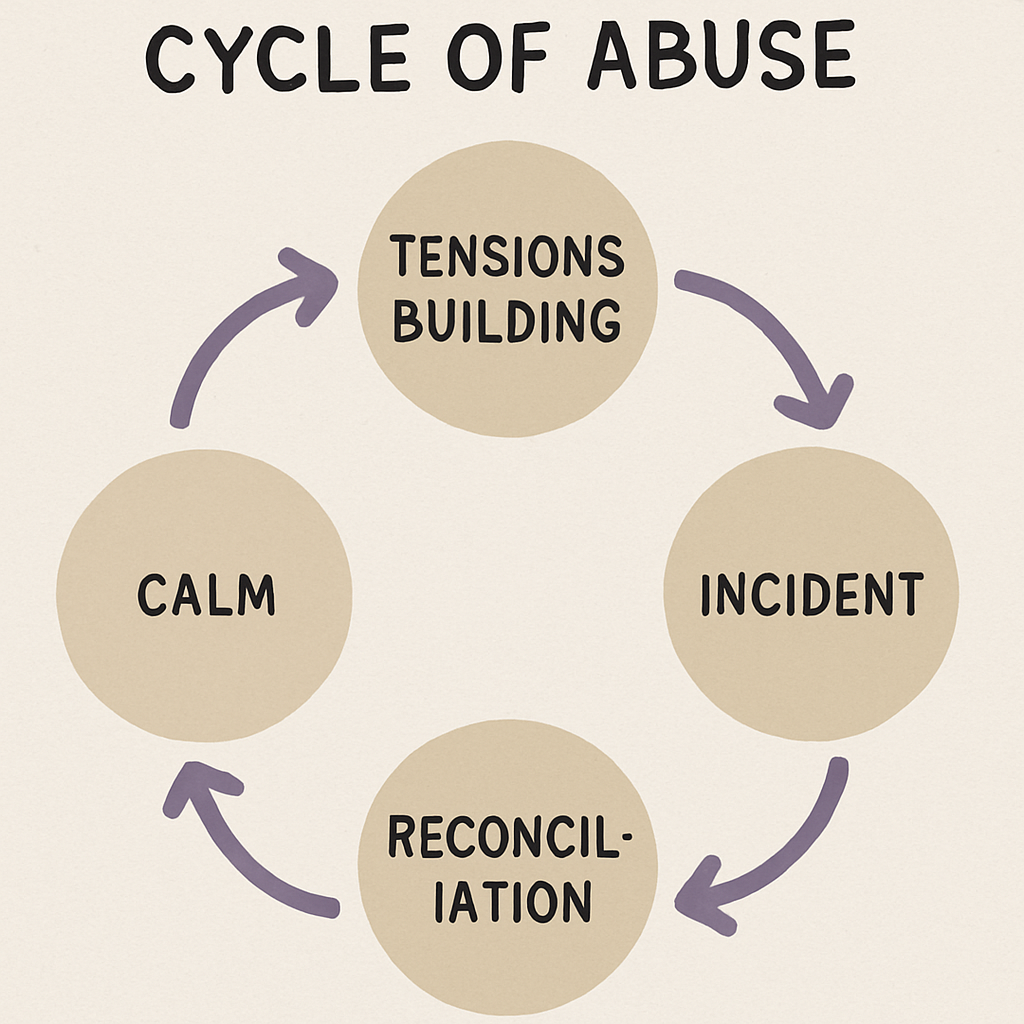
One of the primary reasons victims protect their abusers is due to the cycle of abuse. This cycle includes phases of tension-building, incident, reconciliation, and calm. During the reconciliation phase, the abuser may apologize, make promises to change, or shower the victim with affection. This can create a sense of hope and confusion for the victim, making them believe that the abuse might stop.
Emotional Attachment
Victims often develop a strong emotional attachment to their abusers, known as a trauma bond. This bond is strengthened during the reconciliation phase, making it difficult for victims to leave or take action against their abusers. The emotional highs and lows create a powerful connection that can keep victims trapped in the relationship.
Fear and Intimidation
Fear of Retaliation
Victims may protect their abusers out of fear of retaliation. Abusers often threaten their victims with further harm if they attempt to leave or seek help. This fear can be paralyzing, making it challenging for victims to take steps toward freedom.
Intimidation and Control
Abusers often use intimidation and control tactics to keep their victims in line. This can include isolation from friends and family, financial control, or threats to harm loved ones. Victims may feel they have no choice but to protect their abuser to keep themselves and their loved ones safe.
Societal and Cultural Factors
Societal Pressure
Societal norms and expectations can also play a role in why victims protect their abusers. In some cultures, there is a stigma associated with leaving a marriage or relationship, leading victims to protect their abusers to avoid social ostracism.
Lack of Support
Victims may feel they have no support from their communities or families, making it difficult to leave their abuser. Without a strong support system, victims may feel trapped and compelled to protect their abuser to maintain the status quo.
Psychological Factors
Low Self-Esteem
Abuse can severely impact a victim's self-esteem, causing them to believe they deserve the treatment they receive. This distorted perception can lead victims to protect their abuser, as they may feel unworthy of better treatment.
Learned Helplessness
Victims often experience learned helplessness, where they feel powerless to change their situation. This can result from repeated attempts to escape or seek help that are met with failure. Over time, victims may resign themselves to their situation and protect their abuser as a coping mechanism.
The Impact of Childhood Experiences
Early Exposure to Abuse
Victims who witnessed or experienced abuse in their childhood may be more likely to protect their abuser. They may have grown up believing that abuse is a normal part of relationships, making it difficult to recognize or act against it.
Normalization of Violence
If violence is normalized in a victim's upbringing, they may not recognize the severity of their situation. This normalization can lead to protecting their abuser because they believe the behavior is typical in relationships.
Breaking the Cycle
Education and Awareness
Raising awareness and educating the public about the dynamics of abuse is crucial in helping victims break the cycle. Understanding the reasons behind a victim's behavior can lead to more effective support and intervention.
Building a Support System
Encouraging victims to build a strong support system can provide them with the resources and confidence needed to leave their abuser. Support from friends, family, and community organizations can empower victims to make positive changes in their lives.
Access to Resources
Providing access to resources such as hotlines, shelters, and counseling services can help victims take the first steps toward freedom. Knowing that there is help available can make a significant difference in a victim's ability to leave their abuser.
Conclusion
Understanding why victims protect their abusers is a complex and multifaceted issue. By recognizing the psychological, social, and emotional factors at play, we can better support those affected by abuse and help them find a path to safety and healing. The journey to freedom is not easy, but with the right support and resources, it is possible for victims to break free from the cycle of abuse.

Host
Hi, I'm Brandon Chadwick!
In 2019, I began interviewing survivors of narcissistic and domestic abuse on my podcast, Narcissist Apocalypse. In that time, I've published over 120 survivor stories, interviewed countless experts in the field, from therapists, to lawyers, to domestic violence advocates and agencies.
My philosophy for the podcast was to be different, and to me, that meant to be real, not clinical. My goal was to help survivors tell/validate their own stories, but to also validate and teach other survivors through those stories. And a crazy thing happened, it worked.
Narcissist Apocalypse has grown beyond my wildest dreams. It now reaches upwards of 10,000 listeners an episode and it keeps growing every day. If you read the reviews on Apple Podcasts, you can see just how much of an impact the show has made in the lives of our community members. Yes, we are now a community.
Narcissist Apocalypse has evolved into something bigger. We've taken the philosophy of the podcast and have extended it to power our support groups. Narcissist Apocalypse isn't just me anymore. We are now a community. And that community is here to support you at every step of your healing process and beyond.
Being part of your lives and watching people grow in our support groups has been quite an honor. So I just wanted to say thank you. Thank you for sharing. Thank you for listening. And a big thank you for helping everyone feel less alone. Welcome to our community.
With Much Love,
Brandon Chadwick


