Why Boundaries Feel So Hard After Trauma
For many survivors, boundaries sound good in theory but feel terrifying in practice.
You may understand intellectually that boundaries are healthy — yet when it comes time to set one, your body tightens, anxiety spikes, and guilt floods in.
You might think:
- “I don’t want to hurt them.”
- “I’m being selfish.”
- “I’m making a big deal out of nothing.”
- “It’s easier to just let it go.”
This discomfort isn’t a sign that boundaries are wrong.
It’s a sign that your nervous system learned that having needs wasn’t safe.
Understanding why boundaries feel so hard can help release shame and make healing feel more possible.
What Boundaries Actually Are
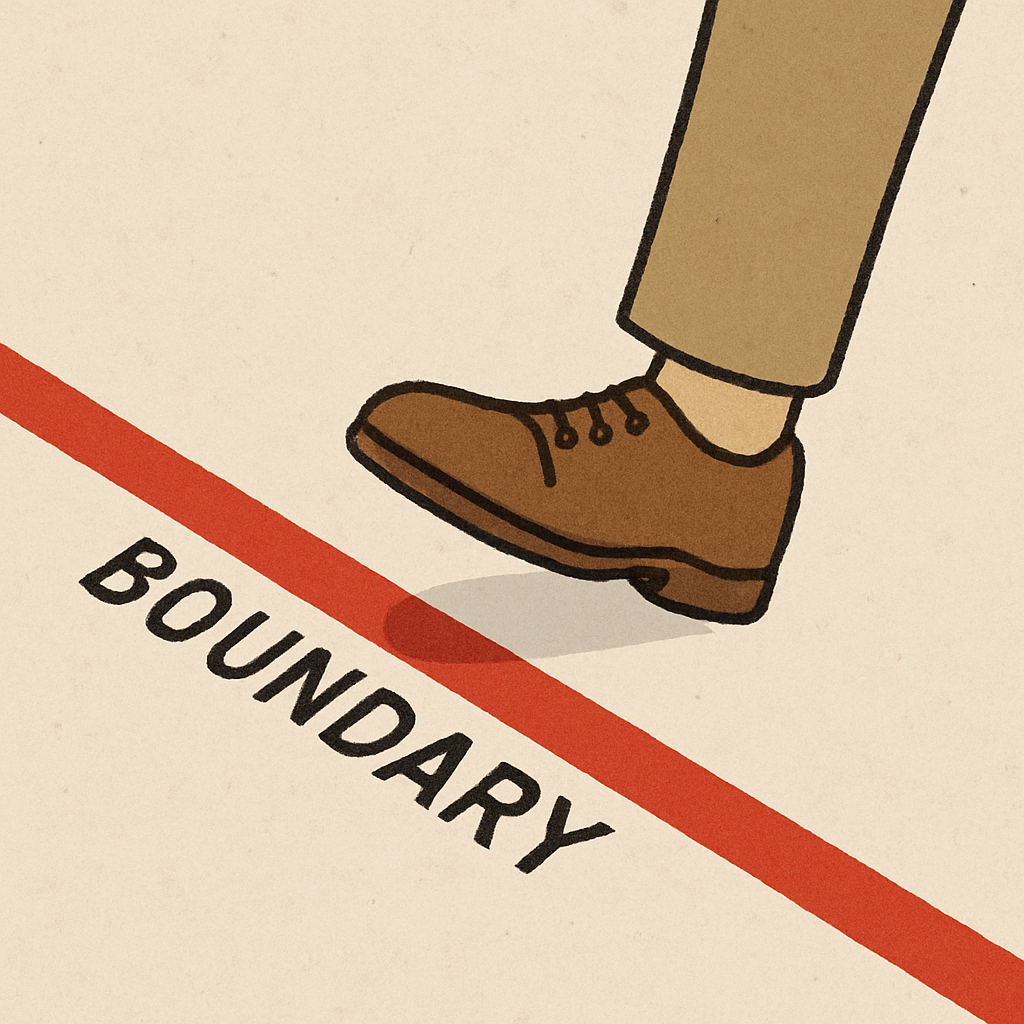
Boundaries are limits that protect your emotional, mental, and physical well-being.
They communicate:
- What you’re comfortable with
- What you’re not okay with
- What you need to feel safe and respected
Healthy boundaries are not about controlling others.
They’re about honoring yourself.
Examples include:
- Saying no to things that overwhelm you
- Asking for respectful communication
- Limiting contact with harmful people
- Taking time for rest
Yet for many survivors, even small boundaries feel huge.
Why Boundaries Trigger Anxiety and Guilt
Boundaries often feel threatening when you grew up or lived in environments where:
- Emotions were invalidated
- Needs caused conflict
- You were blamed for problems
- Harmony was prioritized over honesty
- In these situations, expressing limits may have led to:
- Criticism
- Anger
- Withdrawal
- Punishment
Your nervous system learned:
Boundaries equal danger.
So when you try to set one now, your body reacts as if something bad will happen.
This reaction is closely tied to emotional invalidation and fear, obligation, and guilt.
How Self-Gaslighting Undermines Boundaries
Self-gaslighting often steps in right before or after you attempt a boundary.
You might think:
- “I’m overreacting.”
- “It’s not that big of a deal.”
- “I should be more understanding.”
Instead of honoring discomfort, you minimize it.
This keeps boundaries from forming.
Self-gaslighting convinces you your needs are unreasonable.
Learning how self-gaslighting teaches people to doubt their reality helps explain this pattern.
The Role of People-Pleasing
People-pleasing and boundary struggles are closely connected.
If staying agreeable once kept you safe, setting limits can feel wrong.
People-pleasers often fear:
- Disappointing others
- Being rejected
- Being seen as difficult
So they sacrifice their own comfort to maintain peace.
People-pleasing often develops as a trauma response.
Boundaries in Unhealthy Relationships
In manipulative or narcissistic relationships, boundaries are often ignored or punished.
A partner may:
- Argue with your limits
- Mock them
- Cross them repeatedly
- Accuse you of being selfish
This reinforces the belief that boundaries are unreasonable.
Over time, survivors may stop trying to set them altogether.
This dynamic is common in narcissistic abuse that erodes self-trust and autonomy.
The Long-Term Cost of Having No Boundaries
Without boundaries, many survivors experience:
- Chronic exhaustion
- Resentment
- Anxiety
- Loss of identity
- Staying in harmful relationships
- Constant self-doubt
Life becomes shaped around others’ needs.
Your own wants and feelings fade into the background.
This loss of self often overlaps with identity erosion after abuse.
How to Begin Building Boundaries Gently
You don’t need to overhaul your life overnight.
Start small.
Some helpful steps include:
Notice Discomfort
Discomfort often signals where a boundary is needed.
Validate the Feeling
Instead of minimizing it, acknowledge it.
“This doesn’t feel okay for me.”
Practice Simple No’s
Try saying no without long explanations.
Expect Discomfort
Feeling anxious doesn’t mean you’re wrong.
It means you’re healing.
Boundaries as a Form of Self-Trust
Each time you honor a boundary, you strengthen self-trust.
You’re teaching your nervous system that your needs matter.
Over time, boundaries feel less scary and more natural.
Rebuilding self-trust is a key part of learning to set boundaries safely.
The Healing Power of Shared Experience
Many survivors first realize how deeply boundary struggles run when they hear others describe the same guilt and fear.
Hearing that these reactions are trauma responses — not personal failures — can be incredibly validating.
Survivor stories and trauma-informed conversations — like those shared on Narcissist Apocalypse — often help people feel less alone and more empowered to protect themselves.
The Bottom Line
Boundaries feel hard not because you’re bad at them.
They feel hard because your nervous system learned that self-protection wasn’t safe.
Self-gaslighting, people-pleasing, emotional invalidation, and manipulation all make boundaries seem wrong.
But boundaries are not selfish.
They are necessary.
Learning to set them is a powerful step toward healing, clarity, and self-respect.

Host
Hi, I'm Brandon Chadwick!
In 2019, I began interviewing survivors of narcissistic and domestic abuse on my podcast, Narcissist Apocalypse. In that time, I've published over 120 survivor stories, interviewed countless experts in the field, from therapists, to lawyers, to domestic violence advocates and agencies.
My philosophy for the podcast was to be different, and to me, that meant to be real, not clinical. My goal was to help survivors tell/validate their own stories, but to also validate and teach other survivors through those stories. And a crazy thing happened, it worked.
Narcissist Apocalypse has grown beyond my wildest dreams. It now reaches upwards of 10,000 listeners an episode and it keeps growing every day. If you read the reviews on Apple Podcasts, you can see just how much of an impact the show has made in the lives of our community members. Yes, we are now a community.
Narcissist Apocalypse has evolved into something bigger. We've taken the philosophy of the podcast and have extended it to power our support groups. Narcissist Apocalypse isn't just me anymore. We are now a community. And that community is here to support you at every step of your healing process and beyond.
Being part of your lives and watching people grow in our support groups has been quite an honor. So I just wanted to say thank you. Thank you for sharing. Thank you for listening. And a big thank you for helping everyone feel less alone. Welcome to our community.
With Much Love,
Brandon Chadwick
Types of Invalidating Family Environments