Why Is My Husband Yelling At Me? Causes & Solutions
why is my husband yelling at me
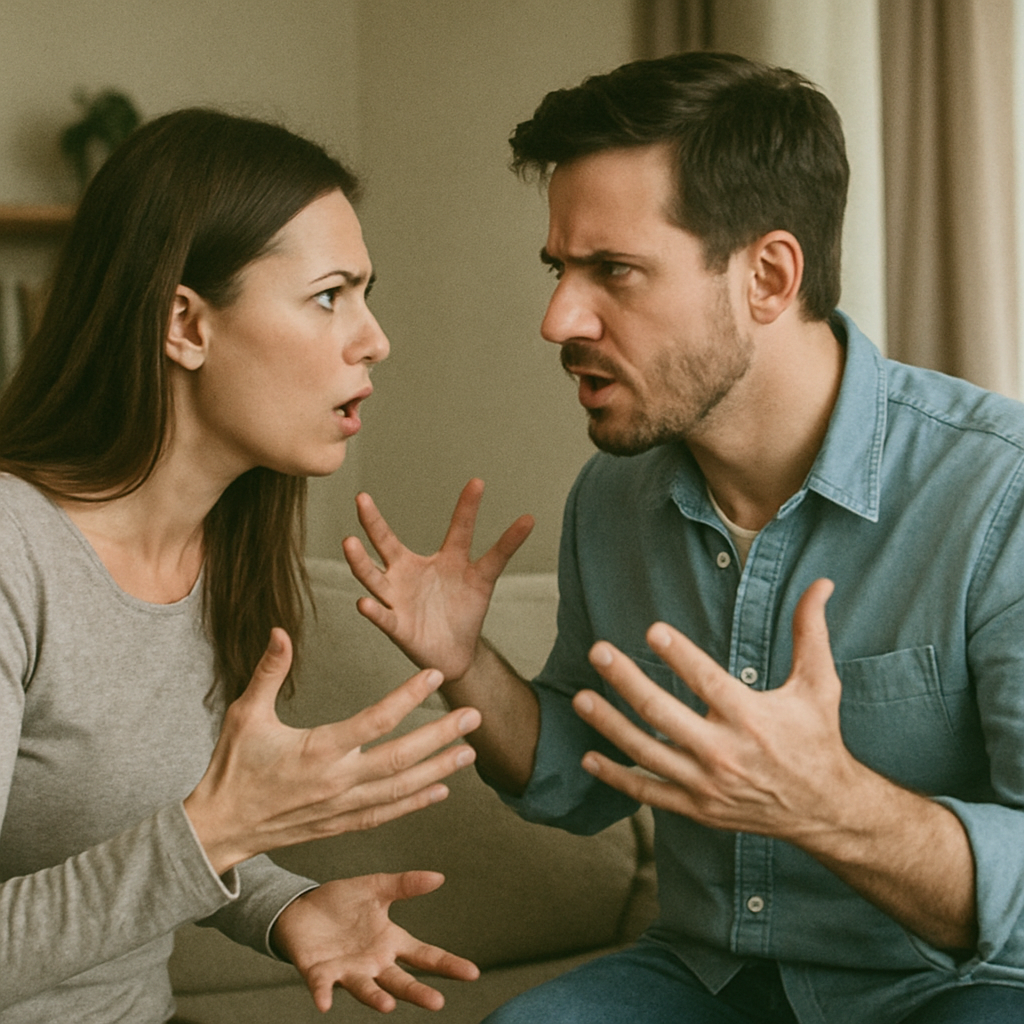
In this article, we'll explore possible reasons for yelling, its impact on relationships, and ways to address and resolve these issues. Understanding the root causes can help in finding effective solutions and fostering a healthier relationship.
Understanding Why Your Husband Yells
 Stress and External Pressures
Stress from various external pressures such as work, financial issues, or family responsibilities can weigh heavily on anyone. These stressors can build up over time, leading to frustration and eventually manifesting as yelling. It's essential to recognize that while your husband may not intend to take out his stress on you, it might be an unintended consequence of his inability to cope with the pressure.
Moreover, the modern lifestyle often demands more than one can handle, leaving little room for rest and relaxation. The constant hustle can cause anyone to reach a breaking point. Identifying these stress points can be the first step in helping your husband find healthier outlets for his stress.
Additionally, consider the possibility of stress-related disorders. Sometimes, what seems like everyday stress could be a sign of something deeper, like anxiety or depression. Encouraging your husband to seek professional help can be a pivotal step toward managing these stressors effectively.
Communication Breakdown
A breakdown in communication often precedes yelling. If your husband feels unheard or misunderstood, he might resort to raising his voice as a desperate attempt to be acknowledged. This can stem from a variety of factors, such as feeling disregarded or experiencing frequent interruptions during conversations.
Effective communication is a two-way street, requiring both parties to actively listen and respond. It's vital to create an environment where each partner feels safe to express themselves without fear of judgment or dismissal. This environment can prevent the build-up of frustration that often leads to yelling.
Furthermore, consider the role of non-verbal communication. Body language, tone, and even silence can communicate volumes. Misinterpretations in these areas can lead to misunderstandings, further fueling the cycle of yelling and conflict.
Emotional Triggers
Emotional triggers often have their roots in past experiences or unresolved issues. These triggers can cause someone to react with disproportionate anger or frustration, leading to yelling. Understanding these triggers requires a deep, empathetic look into past experiences that might still impact your husband today.
Sometimes, these triggers are tied to specific events or words that bring back memories of unresolved pain. Recognizing these can help in avoiding or addressing situations that might cause an overreaction. Encouraging your husband to explore these triggers can aid in healing and reducing emotional outbursts.
Moreover, emotional triggers might also be linked to unmet needs or expectations. Discussing these openly can pave the way for understanding and empathy, reducing the likelihood of yelling as a response.
Learned Behavior
Yelling as a form of communication can often be traced back to learned behavior from childhood or past relationships. If your husband grew up in an environment where yelling was common, he might unconsciously replicate this behavior in his current relationship. It's crucial to acknowledge that these patterns can be deeply ingrained and challenging to change.
Understanding the influence of family dynamics on behavior can provide insight into why yelling might feel like a natural response for your husband. This understanding can foster patience and empathy, essential components in addressing the behavior constructively.
In addition, exploring alternative communication methods together can help replace learned negative behaviors with healthier practices. This can involve setting new norms for expressing emotions and resolving conflicts without resorting to yelling.
The Impact of Yelling on Relationships

Emotional Damage
Yelling can cause significant emotional harm, leaving lasting scars on both partners involved. The emotional impact of constant yelling can create a pervasive sense of fear, leading to heightened anxiety and insecurity in the relationship. This emotional turmoil can hinder open communication and trust between partners.
Furthermore, the emotional damage from yelling can extend beyond the immediate moment, affecting long-term relationship dynamics. Over time, unresolved emotional wounds can fester, eroding the emotional connection that once bonded the couple together.
It's important to acknowledge and address the emotional damage caused by yelling. Seeking professional support, such as couples therapy, can provide a safe space to heal and rebuild emotional intimacy.
Erosion of Trust
Trust is a foundational pillar in any relationship, and yelling can chip away at this essential element. When yelling becomes a regular occurrence, it can create an environment of unpredictability and insecurity. Partners may start to feel unsafe expressing their thoughts and feelings, fearing that it might lead to another outburst.
The erosion of trust can have far-reaching consequences, impacting every aspect of the relationship. It can lead to a breakdown in communication, as partners become hesitant to share their true emotions and vulnerabilities.
Rebuilding trust after it has been damaged by yelling requires time, effort, and commitment from both partners. Establishing open lines of communication and demonstrating consistent, respectful behavior are crucial steps in restoring trust.
Negative Communication Patterns
Regular yelling can establish negative communication patterns that perpetuate conflict and hinder resolution. Instead of addressing issues calmly and constructively, partners may default to shouting matches, where the focus shifts from solving the problem to overpowering each other with words.
These negative communication patterns can create a cycle of escalation, where yelling becomes the default mode of expression during disagreements. This cycle can be difficult to break, as it often reinforces the belief that yelling is the only way to be heard.
Breaking free from negative communication patterns requires conscious effort and a commitment to change. Partners must actively work on improving their communication skills and finding healthier ways to express their emotions and needs.
Addressing the Issue
Open and Honest Communication
Open and honest communication is the cornerstone of resolving issues related to yelling. Initiating a conversation about how your husband's yelling affects you requires vulnerability and courage. Use "I" statements to express your feelings without sounding accusatory, such as "I feel hurt and scared when you yell at me." This approach encourages empathy and understanding.
Creating a safe space for open dialogue can help both partners feel heard and valued. It's important to approach the conversation with a genuine desire to understand each other's perspectives and work towards finding solutions together.
Additionally, practicing active listening during these conversations can foster deeper connection and understanding. Reflecting on what your partner shares and validating their feelings can pave the way for more meaningful and productive discussions.
Seek to Understand
Seeking to understand the reasons behind your husband's yelling requires empathy and patience. Ask open-ended questions to encourage him to share his thoughts and feelings. Understanding his perspective can help identify the root causes of his behavior and provide insights into potential solutions.
Active listening plays a crucial role in this process. Pay attention to both verbal and non-verbal cues, and validate his emotions without judgment. By demonstrating genuine interest in his experiences, you can create a foundation of trust and collaboration.
Moreover, seeking to understand involves acknowledging your own role in the dynamic. Reflect on how your actions or responses may contribute to the cycle of yelling, and be open to making changes that promote healthier interactions.
Set Boundaries
Setting clear boundaries about yelling in your relationship is essential for creating a respectful and supportive environment. Communicate openly about your expectations and establish mutually agreed-upon guidelines for communication. Make it known that yelling is not an acceptable way to express emotions.
Enforcing boundaries requires consistency and accountability. Both partners must be committed to upholding these boundaries and finding alternative ways to address conflicts.
In addition, consider implementing practical strategies to de-escalate situations when tensions rise. Taking breaks during heated discussions and revisiting the conversation when both partners are calm can prevent yelling and facilitate productive dialogue.
Consider Professional Help
If yelling persists and significantly impacts your relationship, seeking professional help can be a valuable step toward resolution. A therapist or counselor can provide a neutral space for both partners to explore their emotions, communication patterns, and underlying issues.
Professional guidance can offer valuable tools and strategies for improving communication and resolving conflicts constructively. Therapists can help identify and address the root causes of yelling, facilitating healing and growth within the relationship.
Additionally, therapy can provide support for individual growth and self-awareness. Both partners can benefit from exploring their own emotions, triggers, and behavioral patterns, leading to personal development and healthier relationship dynamics.
Is Yelling a Form of Abuse?

Yelling can cross the line into emotional abuse if it becomes a pattern of behavior used to control or intimidate. It's important to assess the context and frequency of the yelling to determine if it's part of a larger pattern of abusive behavior.
Recognizing Signs of Emotional Abuse
Persistent yelling and belittling are clear indicators of emotional abuse. If your husband's yelling is accompanied by insults, put-downs, or derogatory remarks, it may be part of a pattern of abuse. These behaviors can undermine self-esteem and leave lasting emotional scars.
Control and manipulation are also signs of emotional abuse. If your husband uses yelling to control your actions, decisions, or interactions with others, it constitutes abuse. This behavior can create an atmosphere of fear and dependency, making it difficult to assert your own needs and boundaries.
Isolation is another warning sign of emotional abuse. If your husband uses yelling to isolate you from friends and family, it can be a tactic to exert control over your life. Isolation can lead to feelings of loneliness and helplessness, further entrenching the cycle of abuse.
Moving Forward
Focus on Building a Healthy Relationship
Building a healthy relationship requires a commitment to mutual respect, trust, and open communication. Encourage each other to express emotions in a healthy manner and support each other's growth. Prioritize creating an environment where both partners feel valued and heard.
Working together to establish shared goals and values can strengthen your bond and provide a sense of unity. Celebrate each other's successes and be there for one another during challenging times.
Additionally, focus on maintaining a balance between individual and shared activities. Nurturing your own interests and passions can contribute to a more fulfilling and harmonious partnership.
Encourage Calm Conflict Resolution
Practicing calm conflict resolution is essential for maintaining a healthy relationship. Develop techniques for addressing disagreements constructively, such as taking breaks during heated moments and returning to the conversation when both of you are calm.
Utilize effective communication strategies, such as active listening, empathy, and compromise, to navigate conflicts. Approach disagreements with a mindset of collaboration and problem-solving, rather than blame or defensiveness.
Moreover, establish a culture of forgiveness and understanding within your relationship. Recognize that conflicts are a natural part of any partnership, and focus on learning and growing from each experience.
Foster Emotional Intelligence
Encouraging the development of emotional intelligence can lead to healthier interactions and strengthen your bond. Emotional intelligence involves understanding and managing emotions, both your own and those of your partner.
Practice self-awareness by reflecting on your emotions and their impact on your behavior. Develop empathy by actively listening to your partner's feelings and perspectives, and responding with compassion and understanding.
Additionally, work on self-regulation by managing emotional responses during conflicts. Cultivating emotional intelligence can enhance your ability to navigate challenges and foster a more supportive and loving relationship.
Prioritize Self-Care
Taking care of your own emotional well-being is crucial for maintaining a healthy relationship. Engage in activities that help you relax and recharge, such as meditation, exercise, or hobbies. Prioritizing self-care can reduce stress and improve your overall mood and resilience.
Setting aside time for self-reflection and self-improvement can also contribute to personal growth and a more fulfilling partnership. Explore new interests, set personal goals, and celebrate your achievements.
Remember that self-care is not selfish; it is an essential component of a healthy and balanced life. By nurturing your own well-being, you can bring your best self to your relationship and support your partner's growth as well.
Conclusion
Yelling can be a symptom of deeper issues in a relationship, but it doesn't have to be the end. By understanding the reasons behind the yelling and addressing them constructively, you can work towards a healthier and more fulfilling relationship. Remember, open communication and mutual respect are key to overcoming challenges and building a strong, lasting partnership. Embrace the journey of growth and healing, and nurture a relationship that thrives on love, understanding, and support.

Host
Hi, I'm Brandon Chadwick!
In 2019, I began interviewing survivors of narcissistic and domestic abuse on my podcast, Narcissist Apocalypse. In that time, I've published over 120 survivor stories, interviewed countless experts in the field, from therapists, to lawyers, to domestic violence advocates and agencies.
My philosophy for the podcast was to be different, and to me, that meant to be real, not clinical. My goal was to help survivors tell/validate their own stories, but to also validate and teach other survivors through those stories. And a crazy thing happened, it worked.
Narcissist Apocalypse has grown beyond my wildest dreams. It now reaches upwards of 10,000 listeners an episode and it keeps growing every day. If you read the reviews on Apple Podcasts, you can see just how much of an impact the show has made in the lives of our community members. Yes, we are now a community.
Narcissist Apocalypse has evolved into something bigger. We've taken the philosophy of the podcast and have extended it to power our support groups. Narcissist Apocalypse isn't just me anymore. We are now a community. And that community is here to support you at every step of your healing process and beyond.
Being part of your lives and watching people grow in our support groups has been quite an honor. So I just wanted to say thank you. Thank you for sharing. Thank you for listening. And a big thank you for helping everyone feel less alone. Welcome to our community.
With Much Love,
Brandon Chadwick


