
The Best Podcasts About Narcissism, Abuse, Domestic Violence & Toxic Relationships (2026)
There's a particular moment that many survivors describe the same way. They went onto the internet and typed into the search “Why does my partner make me feel crazy?” “Why does my father treat me so awful?” “Why won’t my ex leave me alone?” “The elders are telling me to do something I’m not comfortable with, what do I do?” And that's when the results start pouring in. Abuse. Domestic violence. Narcissism. Toxic relationships. You start deep diving, finding a narcissist podcast here, a domestic violence podcast there, a podcast about narcissistic abuse, a toxic relationship podcast, or a trauma podcast that someone recommended in a forum at midnight.
And then someone's voice comes through your earbuds, and they describe something that happened to them or to other survivors, and it sounds exactly like something that happened to you. That moment. The recognition. The flood of relief. The “I'm not imagining this.” That is why this genre of podcasts exists. And it's why it has grown so dramatically in recent years.
Whether you're trying to make sense of a romantic relationship, a parent, a childhood, or a dynamic at work, church, or a cult-like organization that leaves you questioning your own reality, there is a podcast for where you are right now. This guide is designed to help you find it.
What to Look for in a Podcast About Abuse, Domestic Violence, Narcissism, Trauma & Toxic Relationships
Not all podcasts in this space are created equal, and the right show for someone else may not be the right show for you. Where you are in your journey matters as much as the topic itself.
If you're still in it, or just out, and you need to feel less alone before you can do anything else, a survivor storytelling podcast is often the most powerful starting point. Hearing someone describe an experience that mirrors yours, in their own words and without clinical distance, can be the first time your reality feels confirmed rather than questioned. That recognition is its own form of healing. However, please be careful when listening to podcasts like this, as it may be re-traumatizing for you to hear.
If you're ready to understand the psychology behind what happened, an educational or expert-led show gives you the framework to make sense of behaviors that felt confusing or even crazy while you were inside them. Understanding why abusers do what they do, the tactics, the cycles, the manipulation, can be enormously clarifying and can help you stop blaming yourself.
If you're further into recovery and working on rebuilding, shows focused on healing, boundaries, and reclaiming your identity tend to resonate most. And if your experience had a specific dimension like a religious community, a custody battle, or a coercive family system, there are shows that speak directly to those situations too.
What to be cautious of regardless of format: shows that rely heavily on armchair diagnosis, that traffic in rage bait, or that position healing as a linear checklist rather than the messy, nonlinear process it actually is. If a podcast makes you feel worse about yourself or more hopeless after listening, trust that signal. Also, when it comes to this subject matter, it’s best to listen to shows that do not treat it as true crime. Yes, those podcasts may be helpful in some ways, but ethically those shows are bordering on exploitation.
The shows in this guide span all of these formats. Use the section headings to find what fits where you are right now.
Podcasts About Narcissism & Narcissistic Abuse
This is the largest and most searched cluster in the genre, and for good reason. Narcissistic abuse is a form of emotional manipulation that can leave deep scars, both mentally and emotionally. It’s often referred to as the manipulative behaviors employed by individuals with narcissistic traits or narcissistic personality disorder (NPD) to control and dominate a romantic partner, a child, a parent, or another close relationship.
Narcissist Apocalypse is a Purple Ribbon Award-winning storytelling podcast, with over 1.5 million downloads by doing one thing exceptionally well: letting real survivors tell their stories from start to finish. Host Brandon Chadwick brings on guests whose experiences span narcissistic romantic relationships, narcissistic parents, coercive control, domestic violence, and family trauma. What distinguishes the show from the more clinical corners of this genre is its warmth. This is survivor-to-survivor listening. Episodes weave together the emotional truth of what abuse feels like with enough educational framing that listeners finish with both validation and language.
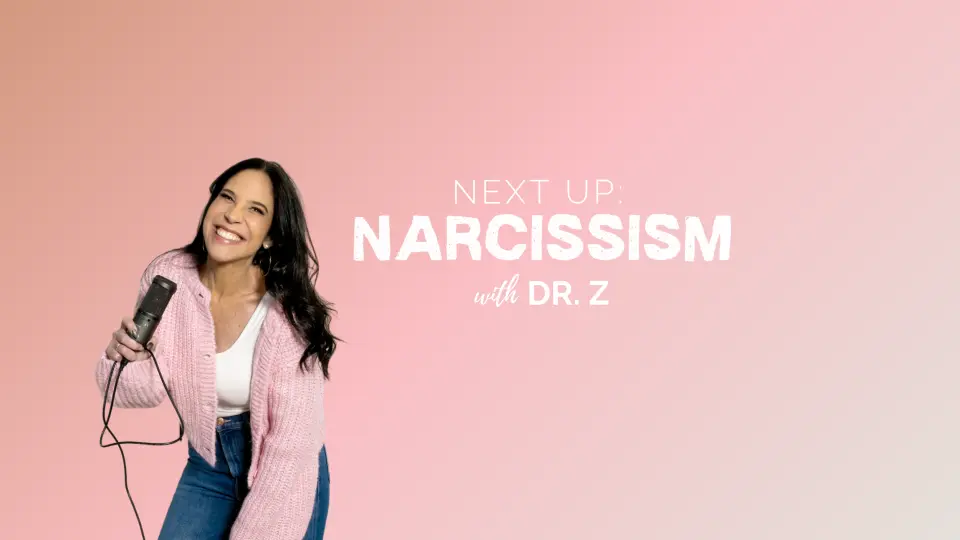
Next Up: Narcissism with clinical psychologist Dr. Jaime Zuckerman takes a real, raw, relatable approach that avoids the stuffiness of purely academic content. The show breaks down narcissistic behaviors like, love bombing, gaslighting, coercive control etc., and offers actionable steps for navigating or leaving toxic relationships. Especially useful for listeners who want to understand the why behind the behaviors they've experienced.
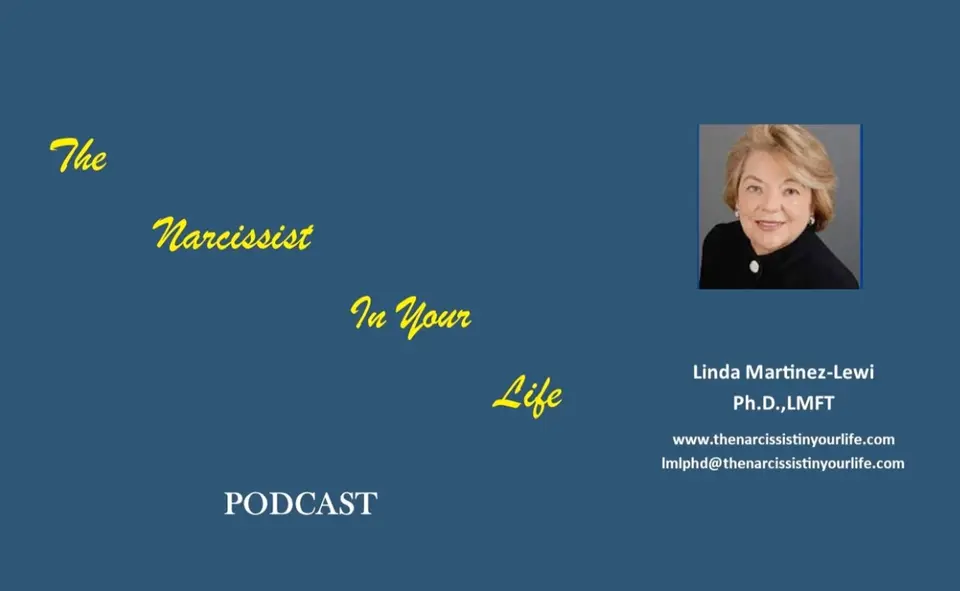
The Narcissist in Your Life Podcast with Dr. Linda Martinez-Lewi, a licensed marriage and family therapist, goes deep on the psychological origins of narcissistic personality and offers strategies for those dealing with narcissists in their close relationships. It's a more clinical show, but accessible, and useful for listeners who want the academic grounding alongside the human stories.
Podcasts About Covert Narcissism
Covert narcissism is one of the more searched and less understood subtypes of narcissism. And for survivors of covert narcissists, the lack of recognition can be its own kind of gaslighting. Covert narcissists can be harder to spot. They're often self-pitying rather than grandiose, passive-aggressive rather than openly controlling, and they're very skilled at making you look like the problem.
Narcissist Apocalypse covers covert narcissism extensively throughout many of its episodes. The long-form storytelling format is especially valuable here because covert dynamics are inherently subtle and they're easier to understand through a full story than a clinical description.
The Covert Narcissism Podcast goes specifically deep on this subtype, offering a focused resource for those navigating the particular confusion that comes with covert abuse.
Podcasts About Domestic Violence & Domestic Abuse
Whereas, narcissistic abuse is a pattern within the broader landscape of domestic violence, driven by cycles of idealization, devaluation, and discard. Domestic violence more broadly describes the full range of physical, emotional, and psychological abuse across all abusive relationships. Many people searching for a narcissist podcast, haven’t yet connected that what they're experiencing is a form of domestic violence. The podcasts in this section speak to both.
Narcissist Apocalypse is consistently ranked as one of the top domestic violence podcasts, appearing at #1 on Feedspot's list, and that’s because the show treats domestic violence not as a standalone event but as something that usually exists within a larger pattern of coercive control and psychological abuse. That framing helps listeners understand what happened to them systemically, not just incident by incident.
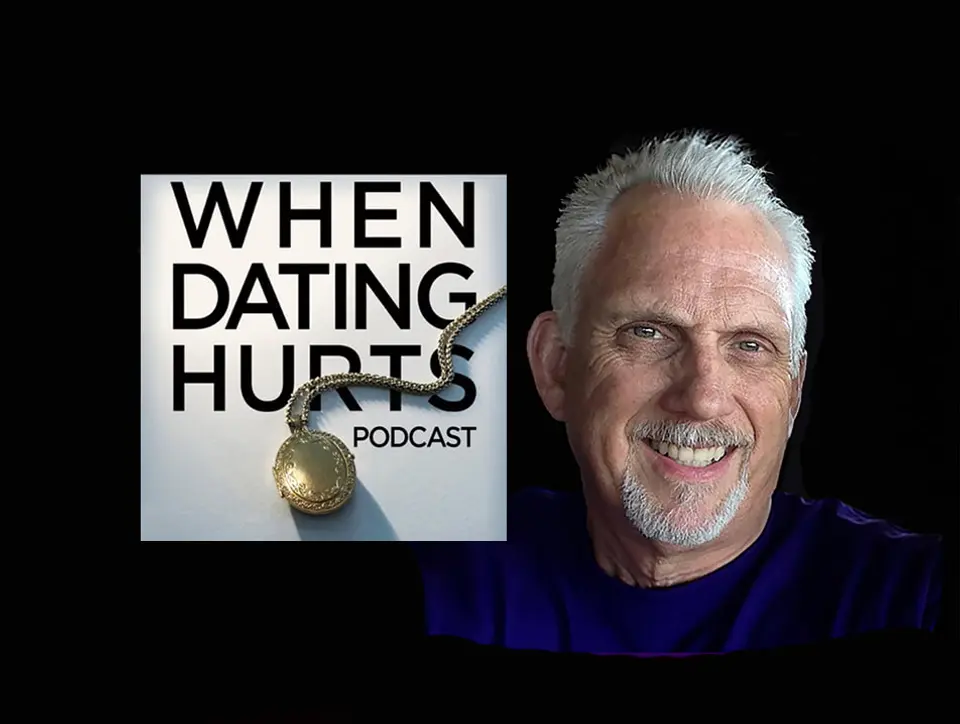
When Dating Hurts, hosted by Bill Mitchell, is rooted in the devastating personal loss of his daughter, Kristin. She was murdered by her ex-boyfriend just twenty days after her college graduation. Rather than sensationalizing that tragedy, the show channels it into education: survivors, counselors, and law enforcement professionals. It’s a particularly valuable listen for parents and younger adults.
Genesis The Podcast, produced by Genesis Women's Shelter & Support in Dallas and hosted by Maria MacMullin, brings a deeply credible institutional voice to the conversation about domestic violence. Each episode connects listeners with experts, advocates, and professionals working directly in the field. They cover everything from coercive control and safety planning to the cultural and systemic barriers survivors face.
Believe Her centers a simple but powerful premise: survivors deserve to be believed. The show amplifies survivor voices and examines the cultural and systemic dynamics that so often lead to survivors being dismissed, doubted, or blamed for the abuse they experienced.
Podcasts About Emotional Abuse, Verbal Abuse & Gaslighting
Emotional and verbal abuse are among the most searched terms on Google and the least validated forms of harm. People experiencing them are often told they're overreacting, too sensitive, or unable to take a joke. Gaslighting is one of the most common tactics used within emotional and verbal abuse, and it's often what makes these experiences tricky to identify. When someone has been consistently told their feelings aren't real or their memory is wrong, finding a gaslighting podcast or an emotional abuse podcast can be the first step toward trusting themselves again.
Narcissist Apocalypse covers emotional and verbal abuse, plus gaslighting, throughout its episode library as core themes rather than sidebar topics. Guest stories regularly help listeners recognize patterns in their own relationships for the first time, including the subtle, cumulative forms of harm that don't leave visible marks but do lasting damage.
The Gaslight Effect Podcast, hosted by Dr. Robin Stern, co-founder of the Yale Center for Emotional Intelligence, takes its name from her best-selling book on gaslighting. It's one of the most substantive gaslighting podcasts available, focused specifically on the psychological mechanism of being made to doubt your own reality, which is the connective thread across virtually every form of abuse covered in this guide.
No, Not Crazy explores gaslighting across multiple contexts, relationships, workplaces, healthcare, spiritual communities, and broader societal dynamics, making it a broader but genuinely useful listen for those whose experience of invalidation extended beyond a single relationship.
Podcasts About Spiritual Abuse & High-Control Groups
Spiritual abuse, abuse perpetrated within or justified by a religious community or framework, is one of the most isolating experiences a survivor can have. The faith community that should be a source of support is often the last place someone can go for help. For listeners searching for a spiritual abuse podcast or trying to make sense of a high-control group or cult-like environment, the shows in this section speak directly to that experience.
Narcissist Apocalypse has addressed high-control family systems and spiritually coercive dynamics across a number of episodes, particularly where religious frameworks have been used to justify or enable abuse. For listeners whose experience sits at the intersection of faith and control, the show offers survivor stories that speak to that specific dimension.
Flying Free, hosted by Natalie Hoffman, is built specifically for women of Christian faith who are in or recovering from emotionally abusive marriages. What makes it distinctive is that it speaks directly to the tension many religious women face: being told by their faith community to stay, submit, or forgive, while simultaneously living in a situation that is causing real harm. It's a compassionate, clear-eyed resource for a listener who is often underserved elsewhere.
Somebody Must Say These Things, produced by the Toronto Anabaptist Network on Sexuality (THANS), confronts the intersection of faith communities and sexual and domestic violence with a directness that is rare in religious spaces. The title says it all. These are the conversations that get avoided in churches and faith communities, finally being had out loud.
Cults to Consciousness, hosted by Shelise Ann Sola, is a podcast specifically for survivors of high-control groups and coercive environments. The dynamics of coercive religious control and spiritual abuse share significant overlap with the narcissistic abuse experience: manipulation, isolation, loyalty testing, and the dismantling of a victim's sense of independent reality. For listeners whose experience had a religious or spiritually coercive dimension, Cults to Consciousness is one of the most thoughtful shows in this space.
Podcasts About Toxic Relationships
The "toxic relationship" frame casts the widest net of any category in this guide — it's often where people start before they have more specific language. Someone knows something is wrong before they know what to call it.
Narcissist Apocalypse is consistently ranked among the top toxic relationship podcasts because its guest stories frequently begin exactly there: a relationship that didn't feel right long before it was nameable. The show is a useful bridge between "I think something is wrong" and the more specific vocabulary of narcissistic abuse, coercive control, or trauma.
Love and Abuse cuts to the heart of what makes toxic and abusive relationships so hard to leave — the love that coexists with the harm, the confusion that comes from caring deeply about someone who is hurting you. The show helps listeners untangle those feelings without judgment, which is exactly what many people in this situation need most.
It's Not Normal, It's Toxic: Rid Your Life of Toxic People does something valuable that many shows in this space don't: it names toxic dynamics directly and without hedging, helping listeners who are still in the stage of wondering whether what they're experiencing is "bad enough" to warrant concern. Short on ambiguity, long on clarity.
I'm a Survivor is a survivor-centered show built entirely around the power of lived experience. Episodes give survivors the space to tell their stories on their own terms, making it a natural companion to Narcissist Apocalypse for listeners who draw the most strength from hearing directly from people who have been through it.
Podcasts About Coercive Control
Coercive control is the term that most accurately describes what survivors of narcissistic and domestic abuse actually experience — a sustained pattern of domination, isolation, and psychological manipulation rather than a series of discrete incidents. It's often invisible from the outside and maddening to try to explain, which is why dedicated podcast content on this topic matters so much.
Perfect Prey: A Coercive Control Podcast, hosted by the wonderful Dr. Christine Marie Cocchiola. She is a coercive control educator, researcher, and survivor. She is one of the most rigorous and compassionate shows in this space. Dr. Cocchiola brings both professional expertise and personal experience to conversations about how coercive control operates within families, how it harms children as direct victims (not merely witnesses), and how protective parents can navigate impossible systems. With a 4.9 rating across 134 reviews, it's clearly landing with exactly the audience it's meant for.
The Rising Beyond Podcast, hosted by Sybil Cummin, a licensed professional counselor with over a decade specializing in domestic violence and narcissistic abuse, is particularly strong for survivors navigating the aftermath. The podcast is especially helpful for those dealing with family court, co-parenting with an abuser, and the specific challenges of post-separation abuse. At over 200 episodes, it's a deep resource. The show is especially valuable for listeners who need practical strategies alongside emotional support.
NMCADV Speaking Of Podcast, produced by the New Mexico Coalition Against Domestic Violence, brings a policy and advocacy lens to the conversation about domestic abuse and coercive control. It's a strong resource for listeners who want to understand the systemic and legislative dimensions of these issues alongside the personal.
Recovery from Coercive Control, hosted by psychologist and human rights advocate Dr. Saira Khan, approaches the topic from a mental health and recovery perspective. The podcast unpacks how coercive control impacts psychological wellbeing and what healing actually requires.
Podcasts About Trauma & Betrayal Trauma
Trauma sits underneath almost everything covered in this guide. Whether it's the complex trauma of growing up with a narcissistic parent, the betrayal trauma of discovering a partner has been deceiving you, or intergenerational trauma passed down through family systems, this category addresses the deeper psychological residue that abuse leaves behind. For anyone searching for a trauma podcast that speaks to the specific kind of harm that comes from abusive relationships, the shows below are among the most valuable in the space.
Narcissist Apocalypse approaches trauma as a throughline rather than a standalone topic. Guests discuss their trauma responses, the hypervigilance, the people-pleasing, the difficulty trusting their own judgment, as part of a larger story of survival and recovery. The generational trauma angle appears regularly too, particularly in episodes about narcissistic family systems.
Adult Child, hosted by Andrea Ashley, takes an unflinching look at what it means to grow up in a dysfunctional family and carry that experience into adulthood. Ashley, who has 17 years of sobriety and her own history as an adult child of alcoholics, brings raw honesty, humor, and zero tolerance for pretense to conversations about complex trauma, codependency, toxic shame, and breaking generational cycles. For listeners whose wounds started in childhood, this show meets them exactly there.
Betrayal Trauma Recovery (BTR.ORG) is a long-standing and highly respected resource specifically for those whose trauma involves the discovery of a partner's deception, infidelity, addiction, emotional abuse, or other forms of relational betrayal. It consistently ranks among the top trauma podcasts and has a particularly strong community of listeners who find validation in its focused scope.

Trauma Rewired explores the neuroscience of trauma, how it gets stored in the body, how it shapes behavior and relationships, and what the healing process looks like from a physiological as well as psychological perspective. It's a more educational show, good for listeners who want to understand the science of what happened to them.
Podcasts About Divorcing a Narcissist & Post-Separation Abuse
Leaving a narcissistic relationship is rarely the end of the abuse. For many survivors, separation and divorce mark the beginning of a new and often more intense phase, where control is exercised through the legal system, custody arrangements, financial manipulation, and relentless harassment. Searching for a podcast about divorcing a narcissist or co-parenting with an abusive ex reflects one of the most urgent needs in the survivor community, and it's a topic Narcissist Apocalypse addresses regularly through survivor stories of exactly this experience.
Narcissist Apocalypse has covered the realities of divorcing a narcissist and post-separation abuse across dozens of episodes, drawing on survivor accounts of family court manipulation, custody battles, and the particular exhaustion of trying to co-parent with someone who treats the children as leverage. The show's long-form storytelling format gives space to stories that are too complicated to tell in a short episode.
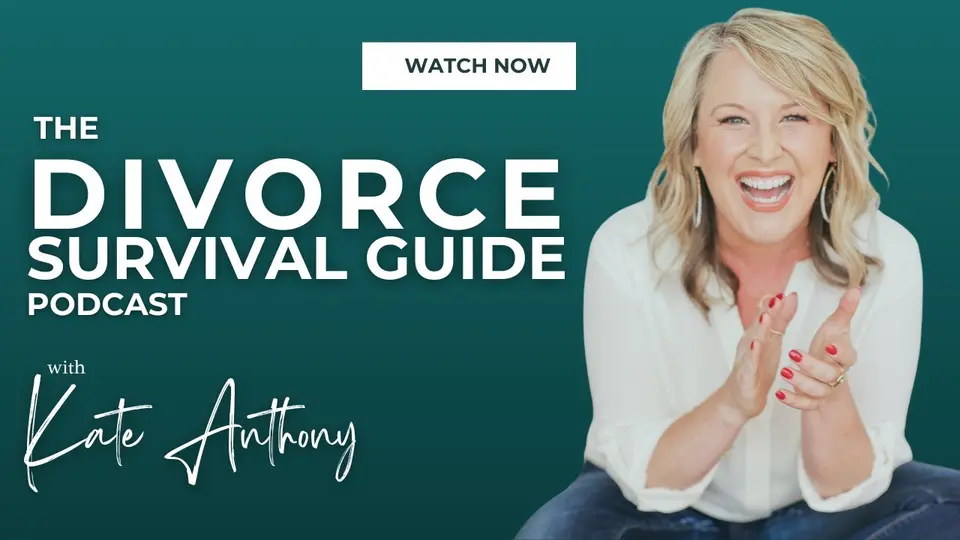
The Divorce Survival Guide Podcast, hosted by Kate Anthony, a certified high conflict divorce coach, domestic violence victim's advocate, and author of the New York Times recommended book The D Word, is one of the most trusted resources for anyone navigating the question of whether to stay or go, and what to do once they've decided. The show covers co-parenting, separation logistics, domestic violence, and the financial and emotional realities of divorce with honesty and warmth.
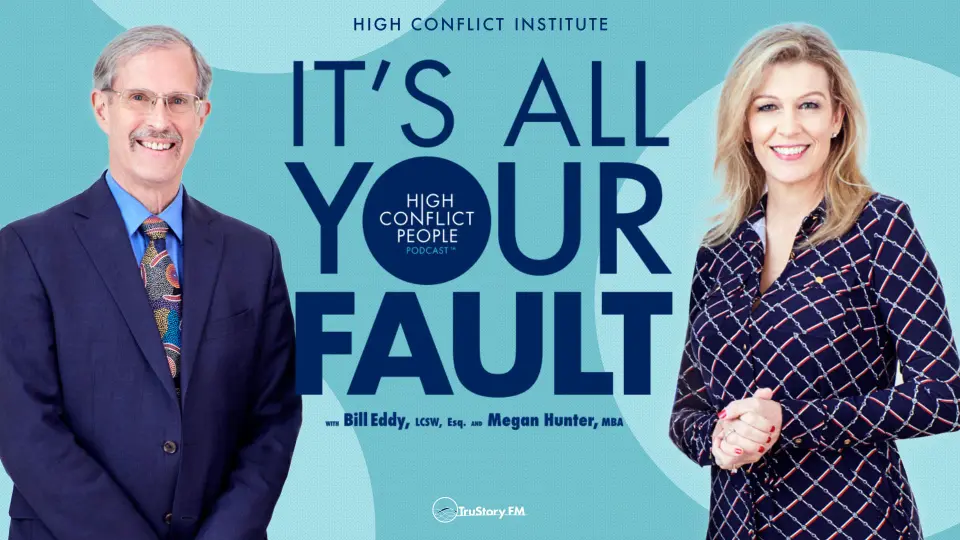
It's All Your Fault: High Conflict People, hosted by Bill Eddy, LCSW, Esq., co-founder of the High Conflict Institute and the leading global expert on high conflict personalities, and Megan Hunter, MBA, goes deep on the psychology of people with high conflict personalities and how they operate in family court, co-parenting situations, and legal disputes. For survivors trying to understand why their divorce or custody battle feels like it's being run by a different set of rules, this show provides the clearest framework available.
A Note on Storytelling-Style Podcasts About Abuse
Most podcasts in the narcissistic abuse and trauma space lean heavily educational. A host or expert speaks, explains, offers frameworks. That content has real value. But there's a distinct and powerful thing that happens when you hear someone tell their own story, in their own words, over the course of a full episode.
Storytelling podcasts work differently. They don't just inform, they create recognition. When a guest on Narcissist Apocalypse describes the particular way a relationship felt in its early stages, or the moment they began to question their own memory, or what it was like to try to explain to someone who wasn't there, listeners often describe it as the first time they've felt genuinely understood. Not explained to, but understood.
That's the specific value this format offers, and it's why it tends to resonate most strongly with people who've spent years being told their experience wasn't real, wasn't serious, or wasn't abuse. A story doesn't argue with you. It just sits next to yours.
Narcissist Apocalypse is built on this format, long-form, survivor-centered, one story at a time. It combines the intimacy of storytelling with enough educational context that listeners finish episodes with both emotional validation and new understanding of their own experience. That combination, story plus education, warmth plus depth, is what the best podcasts in this genre offer.
Where to Start With Narcissist Apocalypse
If you're new to the show, you don't need to start at episode one. Start with a topic that feels most relevant to where you are right now. The episode library covers narcissistic romantic relationships, narcissistic parents, coercive control, emotional abuse, domestic violence, childhood trauma, trauma bonding, betrayal, recovery, and everything in between.
Narcissist Apocalypse is available everywhere you listen to podcasts, Spotify, Apple Podcasts, and at narcissistapocalypse.com.
If you're in the middle of something right now and not sure what you're dealing with, start listening. The language you've been looking for is probably in there.
Frequently Asked Questions
Is there a podcast specifically about divorcing a narcissist? Yes. Narcissist Apocalypse has covered this topic across dozens of episodes through survivor stories of family court manipulation, custody battles, and post-separation abuse. The Divorce Survival Guide Podcast with Kate Anthony is also an excellent resource for the practical and emotional dimensions of leaving, and It's All Your Fault: High Conflict People is invaluable for understanding how narcissistic and high conflict personalities operate specifically within the legal system.
What is the best podcast for narcissistic abuse recovery? It depends on where you are in the process. If you're still in it or just out and need to feel less alone, a survivor storytelling podcast like Narcissist Apocalypse tends to be the most powerful starting point. Hearing real stories helps you name what happened and trust your own perception again. If you're further along and want structured recovery guidance, Betrayal Trauma Recovery offers a more therapeutic framework with a strong community of listeners at similar stages of healing.
What is the best podcast about domestic violence? Narcissist Apocalypse consistently ranks number one on Feedspot's domestic violence podcast list because it treats domestic violence as part of a larger pattern of coercive control rather than a series of isolated incidents. Genesis The Podcast and When Dating Hurts are also strong resources, particularly for listeners who want an advocacy or education-forward perspective alongside survivor stories.
What podcast should I listen to if I think I'm in a toxic relationship? Start with something that helps you name what you're experiencing. Narcissist Apocalypse is a good first listen because the guest stories often begin exactly where most listeners are, knowing something is wrong before having language for it. Love and Abuse is also particularly useful for people navigating the confusion of loving someone who is hurting them.
Is there a podcast specifically about coercive control? Yes. Perfect Prey: A Coercive Control Podcast with Dr. Christine Marie Cocchiola is one of the most focused and well-researched shows on this topic. The Rising Beyond Podcast is also excellent, particularly for survivors navigating family court or co-parenting with an abusive ex. Narcissist Apocalypse covers coercive control throughout its episode library as a core theme.
What is the best podcast about gaslighting? The Gaslight Effect Podcast, hosted by Dr. Robin Stern of the Yale Center for Emotional Intelligence, is the most authoritative dedicated resource on this topic. Narcissist Apocalypse covers gaslighting extensively within survivor stories, which can be especially helpful for listeners who are still questioning whether what they experienced qualifies.
Are there podcasts about spiritual abuse or abuse within religious communities? Yes. Flying Free with Natalie Hoffman speaks directly to women of Christian faith navigating emotionally abusive marriages. Somebody Must Say These Things, produced by the Toronto Anabaptist Network on Sexuality, addresses abuse within faith communities head on. Both Narcissist Apocalypse and Cults to Consciousness touch on high-control religious dynamics within their broader coverage of coercive relationships.
If you or someone you know is experiencing abuse, the National Domestic Violence Hotline is available 24/7 at 1-800-799-7233 (SAFE) or at thehotline.org.

Host
Hi, I'm Brandon Chadwick!
In 2019, I began interviewing survivors of narcissistic and domestic abuse on my podcast, Narcissist Apocalypse. In that time, I've published over 120 survivor stories, interviewed countless experts in the field, from therapists, to lawyers, to domestic violence advocates and agencies.
My philosophy for the podcast was to be different, and to me, that meant to be real, not clinical. My goal was to help survivors tell/validate their own stories, but to also validate and teach other survivors through those stories. And a crazy thing happened, it worked.
Narcissist Apocalypse has grown beyond my wildest dreams. It now reaches upwards of 10,000 listeners an episode and it keeps growing every day. If you read the reviews on Apple Podcasts, you can see just how much of an impact the show has made in the lives of our community members. Yes, we are now a community.
Narcissist Apocalypse has evolved into something bigger. We've taken the philosophy of the podcast and have extended it to power our support groups. Narcissist Apocalypse isn't just me anymore. We are now a community. And that community is here to support you at every step of your healing process and beyond.
Being part of your lives and watching people grow in our support groups has been quite an honor. So I just wanted to say thank you. Thank you for sharing. Thank you for listening. And a big thank you for helping everyone feel less alone. Welcome to our community.
With Much Love,
Brandon Chadwick


