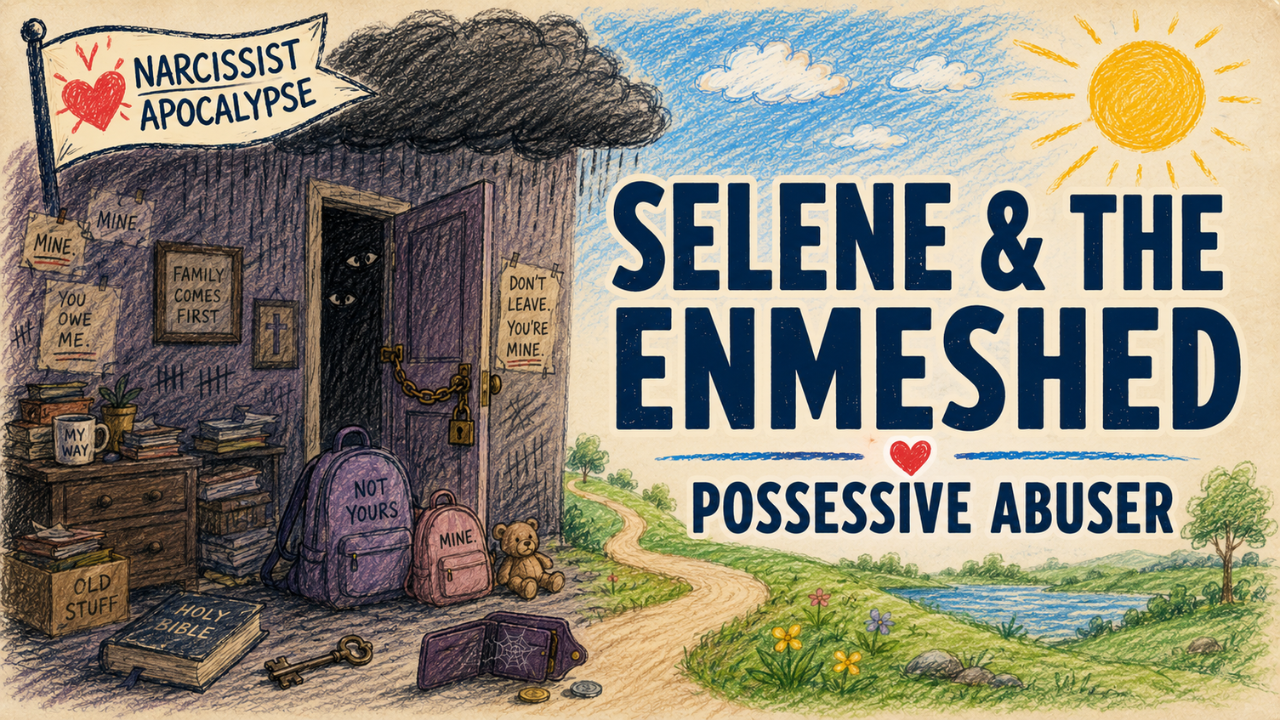
Breaking Free from Financial Control: Selene's Path to Independence After Abuse
Discover how financial abuse traps victims and the strategic steps Selene took to regain control of her life. This post delves into the insidious ways abusers use money to isolate and control, and the practical actions survivors can take to build financial independence and escape coercive dynamics.
Key Takeaways
- Financial abuse is a primary tactic for isolation and control, making escape more difficult.
- Rebuilding independence often requires meticulous planning, resourcefulness, and external support.
- Abusers may continue financial harm post-divorce through neglect and unpaid obligations.
- Empowerment comes from reclaiming financial autonomy and defying an abuser's control.
- Survivors can become authors and public speakers, transforming their pain into purpose.
The Insidious Nature of Financial Abuse
Financial abuse is rarely about simply withholding money; it's a sophisticated tool of control that abusers wield to keep their victims trapped. In the gripping story of Selene, shared on Narcissist Apocalypse, we witness how a possessive and controlling husband systematically dismantled her financial autonomy. This wasn't just about keeping her dependent; it was about severing her ties to the outside world, ensuring she had no means to leave or resist. When Selene became pregnant, she discovered the depth of her husband's deception, finding herself not only with a child on the way but also financially dependent and isolated within a family system that consistently violated boundaries. The abuser controlled access to money and basic necessities, making Selene beholden to him for everything, from food to personal care. This level of control is designed to strip away a victim's sense of self-worth and capability, making them believe they are incapable of surviving without the abuser. The episode highlights how this tactic creates a 'walking on eggshells' environment, where any perceived infraction could lead to the withdrawal of essential resources, reinforcing the cycle of fear and dependency.
Strategic Steps to Regain Financial Autonomy
Escaping financial abuse requires more than just willpower; it demands strategic planning and often, immense courage. Selene's journey illustrates the multifaceted approach needed. Initially, her husband resented any attention she gave their children, a tactic that served to further isolate her and keep her focused solely on his needs and demands. He monitored her every move and controlled finances tightly, leaving her with no independent resources. The description of her living in her car, a desperate act born from an untenable situation, underscores the extreme measures some victims must take. However, even in this dire state, Selene was actively seeking ways to survive and protect her children. Her eventual decision to reach out to abuse services was a critical turning point. These organizations provide vital resources, including financial assistance, legal aid, and safe housing, which are crucial for breaking free from financial dependency. Rebuilding independence wasn't an overnight process. It involved meticulous planning, often in secret, to gather any available resources or information. This might include opening a secret bank account, saving small amounts of cash, or documenting financial abuses. For many, the path to financial recovery involves returning to education, seeking stable employment, and often, rebuilding their professional network. Selene's story shows that it's possible to start from scratch, even after experiencing significant financial sabotage.
Protecting Children from Financial Abuse
Financial abuse rarely exists in a vacuum; it almost always impacts children. In Selene's case, the harm continued after divorce through child neglect and unpaid support. This is a common tactic abusers use to maintain control and inflict pain even after the relationship has ended. Selene's proactive steps to protect her children, even while living under her husband's control, were paramount. This often involves shielding them from direct financial hardship where possible, ensuring they have access to essentials, and creating a sense of stability despite the chaos. For survivors, this can mean making difficult choices, prioritizing children's needs, and sometimes enduring further personal hardship to provide a safer environment. The long-term impact of child neglect and unpaid support can be profound, affecting a child's emotional, educational, and physical well-being. Selene's determination to rebuild her life and provide a stable future for her children, despite these ongoing challenges, is a testament to her resilience. Her journey emphasizes the importance of securing legal support to enforce child support orders and seeking resources that can help mitigate the ongoing financial strain caused by an abuser's non-compliance.
Rebuilding a Life Beyond Control
The narrative of Selene is ultimately one of triumphant rebuilding and fierce independence. After enduring coercive control, financial abuse, isolation, and intimidation, she not only survived but thrived. Her former husband likely never believed she could build a life for herself, especially not one that defied his expectations. Yet, she returned to her hometown, rebuilt her life from the ground up, and transformed her experiences into a platform as an author and public speaker. This transition from victim to empowered survivor is a powerful example of what is possible. It signifies a complete reclamation of agency, where the trauma of the past is not erased but integrated into a new identity built on strength and purpose. The process of rebuilding often involves healing from the deep psychological wounds inflicted by the abuse, including trauma bonding, gaslighting, and reality distortion. Selene's success demonstrates that regaining financial independence is a crucial component of this rebuilding process. It signifies freedom from the abuser's direct control and the ability to make choices about her own future and that of her children. Her story offers profound hope and a clear message: escape is possible, and a fulfilling life can be built after surviving the darkest of times.
For a deeper understanding of Selene's incredible journey and the tactics of possessive abusers, listen to the full episode on Narcissist Apocalypse. Her story is a powerful testament to resilience and the human spirit's capacity to overcome even the most devastating forms of abuse.
Frequently Asked Questions
How can one identify and counter financial control tactics in an abusive relationship?
Financial control involves tactics like restricting access to money, monitoring spending, preventing employment, controlling access to necessities, and creating debt in the victim's name. To counter these, victims can discreetly save small amounts of cash, open a separate bank account if possible, document all financial abuses, and seek help from domestic violence services that can offer financial assistance, legal advice, and resources for finding employment or housing.
What role does a toxic mother-in-law or enmeshment play in financial abuse?
Enmeshment with a parent, particularly a toxic mother-in-law dynamic as seen in Selene's story, can amplify financial abuse. The abuser may feel entitled to control finances as a way to maintain power not just in the marriage but within the broader family system. The parent may also actively participate in or enable the financial control, seeing it as a way to keep the victim dependent and under their son's dominion, thus reinforcing the abuser's controlling behavior.
How can survivors rebuild their credit and financial stability after escaping abuse?
Rebuilding credit and financial stability often begins with securing a reliable income, creating a budget, and seeking professional financial counseling. Survivors should also investigate and address any fraudulent debt incurred by the abuser and work towards establishing a positive credit history. Non-profit organizations and government programs dedicated to supporting survivors can provide invaluable assistance with financial literacy, credit repair, and emergency funds.
What are the long-term effects of unpaid child support and neglect on survivors and children?
The long-term effects of unpaid child support and neglect can include ongoing financial strain for the survivor, emotional distress, and a sense of injustice. For children, it can lead to instability, limited opportunities, feelings of abandonment, and psychological distress. Survivors may need to pursue legal avenues to enforce support orders and seek additional resources to compensate for the lack of support, which can be an emotionally taxing and lengthy process.