Breaking Free from the Family Scapegoat Role: How to Reclaim Your Identity
When you are designated as the family scapegoat, your reality is often manipulated to serve the needs of a dysfunctional system. This article explores how to identify the signs of being trapped in the scapegoat role, strategies for unlearning the belief that you are the problem, and actionable steps to reclaim your personal identity from family projections.
Key Takeaways
- The scapegoat role is a systemic function used to offload family shame, not an objective reflection of your character.
- Transactional love often masquerades as support, forcing children to earn affection through compliance or silence.
- The "calmer" parent’s failure to intervene is a form of betrayal that sustains the cycle of abuse.
- Reclaiming your identity requires mourning the family you deserved but never had, rather than trying to fix the one you were given.
- Moving away from the "problem child" narrative is essential for developing healthy autonomy and self-worth.
The Anatomy of a Scapegoat
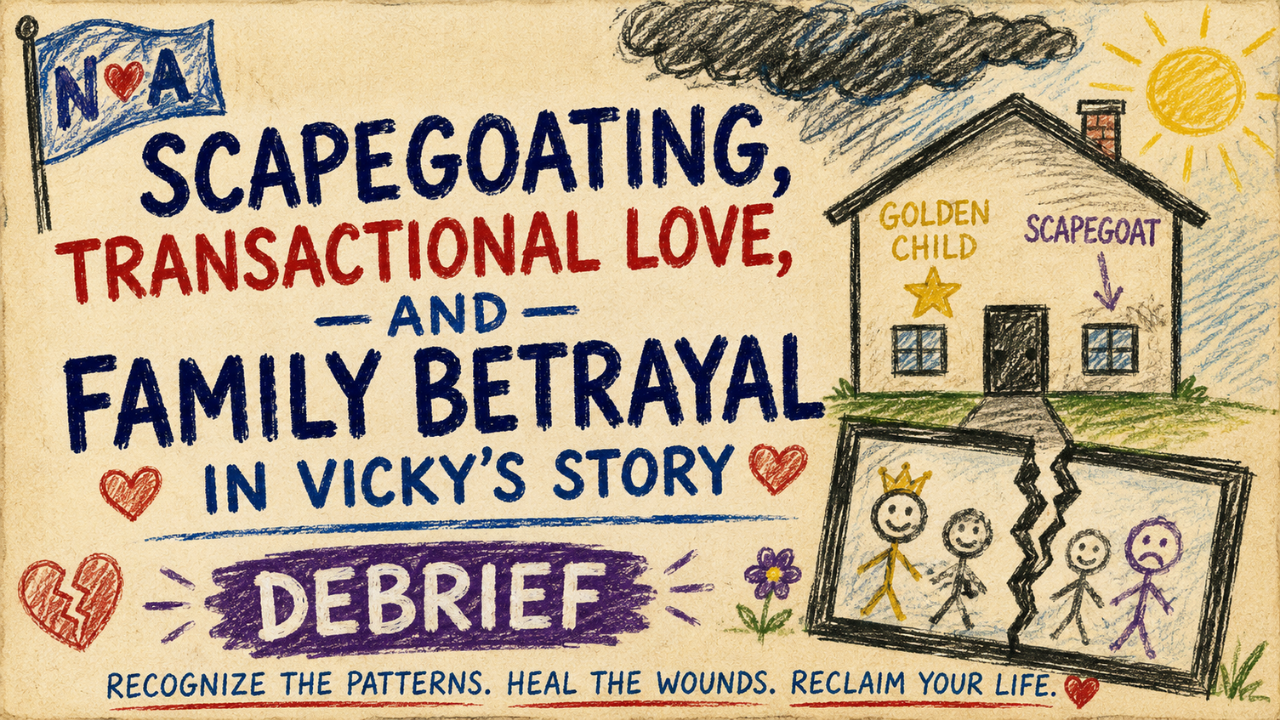
In many narcissistic family dynamics, one child is singled out to carry the burden of the family's collective shadow. This individual becomes the repository for all projected guilt, shame, and frustration. If the family is stressed, the scapegoat is blamed. If the family has interpersonal conflicts, the scapegoat is cast as the agitator. This is not because the scapegoat has done anything wrong, but because the family system requires a target to maintain its internal stability.
Being the scapegoat often involves being subjected to a double standard. You might notice that your siblings are celebrated for traits that you are punished for, or that your genuine accomplishments are minimized while your minor mistakes are blown out of proportion. Over time, this creates a profound sense of confusion and a deep-seated belief that you are inherently flawed or difficult to love.
The Myth of the Problem Child
Abusive families often focus intensely on the scapegoat’s reactions rather than the provocations that caused them. If a scapegoat eventually loses their temper after years of gaslighting, the family will point to that explosion as "proof" that the scapegoat is the volatile one. This redirection allows the true architects of the dysfunction to maintain their image of stability and normalcy, while you become the living evidence of the family's perceived chaos.
Identifying Transactional Love
For the scapegoat, love is rarely unconditional. It is usually contingent upon performance, silence, or utility. When family members offer financial assistance or support, it often comes with invisible strings attached. These strings serve as a leverage mechanism to ensure that you stay within the confines of the role they have assigned you. If you show independence or start to set boundaries, the support is frequently threatened or withdrawn as a form of coercive control.
Understanding that this love is transactional is a crucial step in healing. It allows you to depersonalize the rejection. When someone refuses to love you unless you behave in a specific way, it says everything about their emotional limitations and nothing about your value as a human being.
The Betrayal of the Passive Bystander
Perhaps the most painful aspect of being a scapegoat is the silence of the "calmer" parent. While one parent may be the primary aggressor, the other often functions as a passive bystander. By refusing to intervene, validate your reality, or protect you from the abuse, they are implicitly endorsing the scapegoating process. This betrayal is often more damaging than the abuse itself because it destroys your fundamental belief in the possibility of safety within the family unit.
Reclaiming Your Authentic Self
The journey toward healing involves detaching your self-worth from the family’s narrative. You were forced into a box to keep the system comfortable; now, you must choose to step out. This requires a process of grieving—mourning the parents who were unable to protect you and the family dynamic you never had. Once that grief is processed, you are free to define your own values, interests, and boundaries independent of your family’s expectations.
If you recognize these patterns in your own upbringing, please know that your experience is valid and your survival is a testament to your resilience. For a deeper dive into understanding these dynamics and hearing from those who have walked this path, Listen to the full episode. Understanding that the system was the problem—not you—is the first step toward reclaiming your future.
Frequently Asked Questions
Why do families choose one scapegoat?
Families choose a scapegoat to externalize their internal issues. By focusing on one person as the source of all problems, other family members avoid facing their own accountability and dysfunction.
Is financial support always a trap?
In a healthy family, support is offered freely. In a narcissistic system, financial aid is often used as a tool for control, meant to keep the victim indebted, compliant, and unable to establish independent boundaries.
How do I start recovering my identity?
Start by identifying your personal interests and values that were discouraged by your family. Practice setting small boundaries in your adult life and seek validation from supportive communities outside of your family circle.