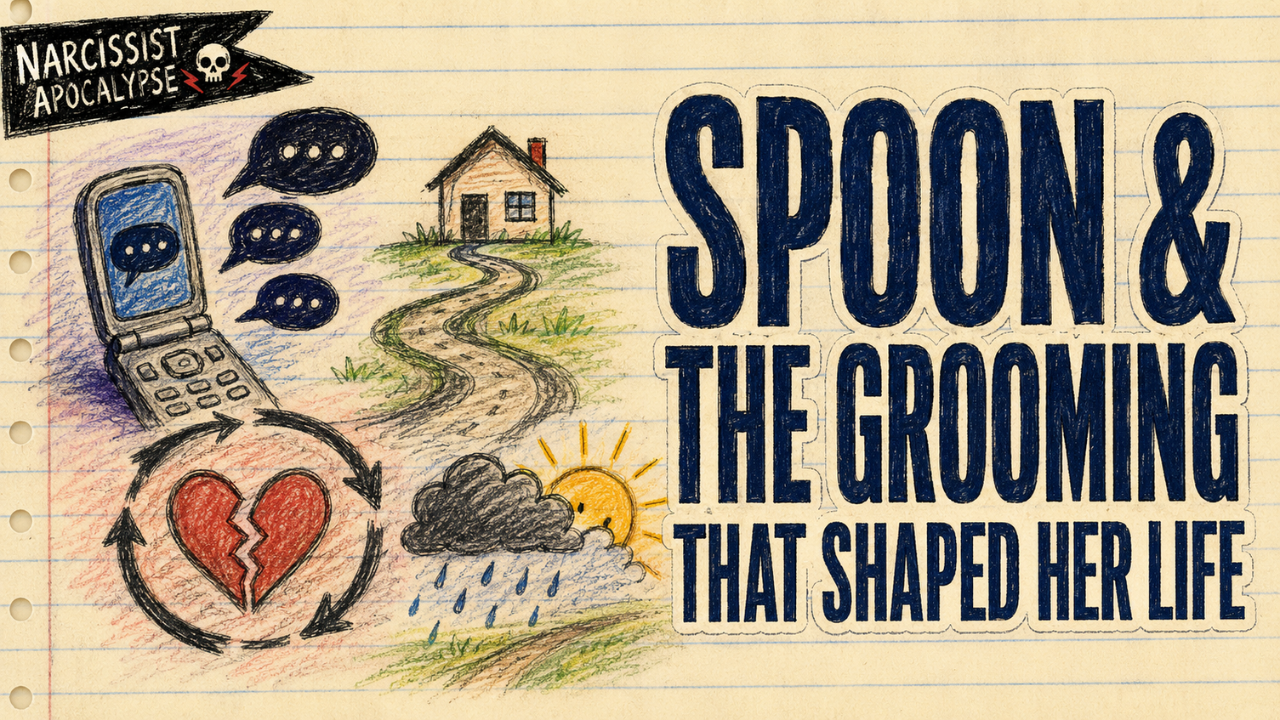
How Parentification and Emotional Responsibility Lay the Groundwork for Grooming
Parentification forces children to carry emotional loads meant for adults, wiring their nervous systems to prioritize others' feelings above their own safety. In this deep dive, we explore how childhood emotional neglect, carrying parental burdens, and compulsive people-pleasing create psychological blind spots that predators exploit. By examining the roots of emotional responsibility, we can better understand how early conditioning sets the stage for adult relational trauma and learn how to reclaim personal autonomy.
Key Takeaways
- Parentification conditions children to act as emotional caretakers, creating a profound vulnerability to manipulation.
- Feeling responsible for adult emotions distorts internal boundaries and makes saying "no" feel inherently unsafe.
- Groomers actively seek out individuals trained to manage moods, validate others, and abandon their own needs.
- Healing requires unlearning compulsive caretaking and shifting the focus from external management to internal self-validation.
- Slowing down relational pacing is a critical tool for breaking cycles of emotional abandonment.
The Mechanics of Parentification and Emotional Burden
Parentification occurs when a child is cast into the role of a caregiver, confidant, or emotional regulator for their parents or family members. Instead of receiving unconditional emotional support, the child learns that their value is entirely dependent on how effectively they can manage, soothe, or anticipate the emotional states of the adults around them. This dynamic fundamentally alters a child's development.
When you grow up walking on eggshells, your brain constantly scans the environment for micro-expressions, shifts in tone, and signs of impending conflict. You become hyper-vigilant. Over time, your own internal barometer goes offline. You do not ask yourself, "What do I want?" or "How do I feel?" Instead, your immediate, automatic question is, "How will my reaction affect the other person?" This self-erasure is the foundational building block of severe people-pleasing.
The Psychological Toll of Constant Caretaking
The internal cost of growing up this way is astronomical. Children forced into parentified roles often experience chronic shame when they fail to fix someone else's bad mood or distress. They internalize the false belief that they are fundamentally responsible for the emotional well-being of everyone in their orbit. This mindset does not magically disappear on an 18th birthday; it carries directly into adulthood, dictating how friendships, professional environments, and romantic partnerships are chosen and navigated.
How Predators and Groomers Exploit Caretaking Tendencies
Predators and manipulators possess a predatory intuition for vulnerability. They do not look for people who are hyper-defended; they look for individuals who have been trained from childhood to manage others' emotions. If you are someone who naturally absorbs tension, attempts to keep the peace, and feels immense guilt for setting boundaries, you represent an ideal target for a grooming dynamic.
Grooming rarely begins with overt aggression. Instead, it often starts with flattery, pseudo-maturity, and emotional dependency. A predator might lean on a young person for emotional support, calling them "wise beyond their years" or claiming they are the "only one who truly understands them." This manipulation plays directly into the parentified child's deeply ingrained script: the desire to be needed, valued, and useful.
The Trap of Misdirected Empathy
Empathy is generally viewed as a positive human trait, but when it is weaponized against an unhealed inner child, it becomes a trap. Victims of grooming and narcissistic abuse often find themselves rationalizing unacceptable behavior because they can "see the pain" underneath the abuser's actions. Because they were conditioned to excuse the emotional dysregulation of the adults in their childhood, they easily slip into making excuses for predatory behavior in their youth and adult years. They become trapped in cycles of emotional abuse because leaving feels like a failure of their caretaker duty.
Breaking the Cycle of Self-Abandonment
Recognizing the link between childhood emotional neglect and adult vulnerability is the first step toward true healing. Unlearning a lifetime of compulsive caretaking requires radical patience and a willingness to tolerate the discomfort of other people's negative emotions. When you stop managing everyone else's reactions, those who benefited from your lack of boundaries will often push back. This resistance is frequently where survivors realize the true nature of their relationships.
Reclaiming your identity means shifting your internal locus of control. It involves learning to pause before reacting, testing relationships for mutual reciprocity, and paying strict attention to actions rather than persuasive words. Healing from the impacts of early grooming and emotional neglect is deeply intertwined with rediscovering who you are underneath the survival mechanisms you had to adopt just to get by.
Conclusion
Understanding how early family dynamics lay the groundwork for exploitation helps lift the heavy blanket of self-blame that so many survivors carry. You were not weak; you were simply using the survival tools you were given. To hear a firsthand account of navigating these exact complexities, moving through addiction, and ultimately dismantling the patterns of self-abandonment, make sure to Listen to the full episode for an inspiring story of survival, recovery, and self-reclamation.
Frequently Asked Questions
What is parentification?
Parentification is a dynamic where a child is forced to take on the emotional or physical responsibilities of an adult, often acting as a caretaker, counselor, or emotional regulator for their parents.
How does childhood emotional neglect link to adult abuse?
Childhood emotional neglect teaches individuals to ignore their own needs and prioritize others. This creates internal vulnerabilities that predators and manipulators easily exploit through grooming and coercive control.
Why do survivors of grooming often feel responsible for the abuse?
Because parentified children are conditioned to believe they control the emotional climate around them, they frequently internalize fault when a predator exploits their caretaking tendencies.
How can someone stop compulsive people-pleasing after trauma?
Stopping compulsive people-pleasing involves identifying internal emotional triggers, practicing setting small boundaries, tolerating the discomfort of others' negative emotions, and learning to validate oneself internally.