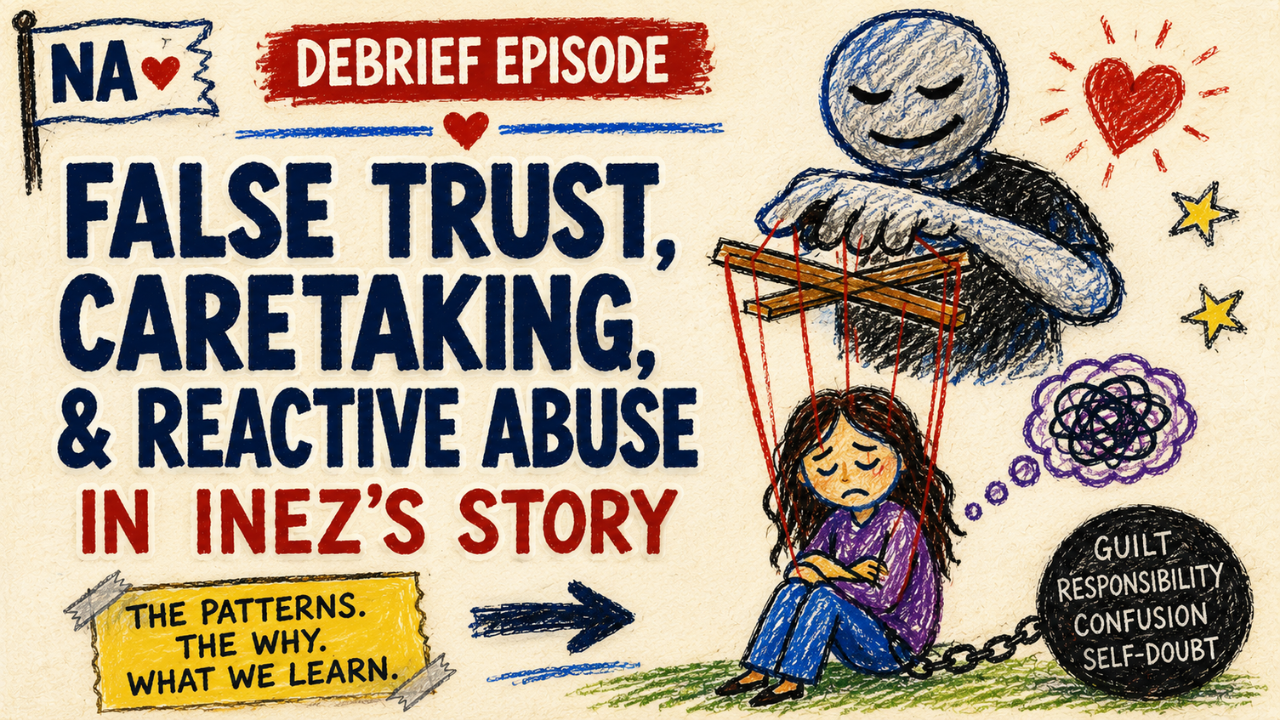
Weaponized Vulnerability: How Abusers Manufacture False Trust Early in Relationships
Weaponized vulnerability occurs when an abuser shares manufactured trauma stories early in a relationship to manufacture false trust, bypass natural emotional boundaries, and prime their partner for future caretaking roles. Recognizing this manipulation tactic helps survivors understand how abusers weaponize empathy to establish premature intimacy and control.
Key Takeaways
- Abusers frequently weaponize early vulnerability by sharing intense personal trauma stories to manufacture a false sense of deep, instantaneous trust.
- Sharing manufactured hardship is a deliberate manipulation tactic designed to bypass a partner's healthy boundary-setting mechanisms.
- Premature intimacy creates an immediate caretaking dynamic where the victim feels compelled to rescue, heal, or emotionally manage the abuser.
- Knowledge of narcissistic abuse does not automatically protect individuals from falling victim to sophisticated false trust campaigns.
- Identifying the shift from mutual sharing to one-sided emotional labor is crucial for breaking free from early-stage coercive control.
The Anatomy of Weaponized Vulnerability
In the early stages of a relationship, emotional safety is typically built slowly over time through consistent actions, mutual vulnerability, and earned trust. However, emotionally abusive individuals often short-circuit this natural timeline through a tactic known as weaponized vulnerability. Instead of allowing trust to develop organically, they flood the initial phase of the connection with heavy, deeply personal, and often fabricated or exaggerated stories of past trauma, betrayal, or hardship.
This deliberate oversharing is rarely an authentic attempt to connect. Rather, it is a calculated strategy designed to force intimacy. When someone shares profound pain early on, it triggers a natural human response: empathy, a desire to comfort, and an instinct to protect. The abuser uses this dynamic to disarm their target, making it exceptionally difficult to establish or maintain healthy emotional boundaries moving forward.
Why False Trust Bypasses Healthy Boundaries
Healthy boundaries act as an emotional filter, allowing individuals to gauge safety before investing deeply in a new relationship. When an abuser introduces high-stakes emotional material immediately, those filters are compromised. The victim perceives the openness as a sign of honesty and emotional maturity, failing to realize that vulnerability is being used as a Trojan horse.
Because the relationship feels intensely bonded from the start, questioning red flags later on becomes cognitively difficult. The victim anchors their perception of the partner to that initial moment of profound openness, leading them to excuse subsequent toxic behaviors because they believe they know the abuser's 'true, wounded heart.'
From Shared Pain to Forced Caretaking
The transition from manufactured vulnerability to active control is subtle yet systematic. Once false trust is established, the dynamic shifts from mutual conversation to one-sided emotional labor. The abuser subtly transitions from someone who experienced past pain to someone whose current emotional well-being is entirely dependent on the partner.
What starts as a heartfelt story about past mistreatment gradually transforms into an unspoken obligation. The partner is cast in the role of the ultimate caregiver and healer—the one person who finally understands, validates, and fixes the abuser's inner turmoil. Over time, any attempt by the partner to assert their own needs or express frustration is met with guilt, framing their boundary as a betrayal akin to the trauma the abuser shared in the beginning.
The Trap of Previous Partner Narratives
A common manifestation of weaponized vulnerability involves how an abuser discusses their ex-partners. By painting every former partner as malicious, crazy, or abusive, the abuser quietly communicates a strict set of expectations and warnings to the new partner. This narrative serves a dual purpose:
- It elicits deep sympathy and positions the abuser as an innocent victim of circumstance.
- It establishes a baseline threat: if the new partner ever expresses dissatisfaction or anger, they risk being cast into that same category of 'toxic exes.'
This psychological framing teaches the victim to suppress their own emotional reactions and conform to whatever behavior keeps the peace, shrinking themselves inside the relationship to avoid triggering the abuser's manufactured instability.
Breaking Free and Reclaiming Your Intuition
Falling for a false trust campaign does not mean a survivor lacked awareness or missed obvious signs. Abusers are skilled actors who exploit the very best human traits—empathy, compassion, and the desire to support others. Understanding that vulnerability can be weaponized allows survivors to reframe their experiences, moving away from self-blame and toward profound self-compassion.
Recognizing the patterns behind manufactured intimacy helps individuals recalibrate their internal warning systems. True trust is earned through consistent, respectful actions over time, not demanded through a flood of early-stage trauma dumping. By honoring pacing and maintaining firm boundaries from the very beginning, individuals can protect their emotional energy and foster genuinely safe connections.
To explore how these psychological traps manifest in real survivor experiences and to learn more about navigating the aftermath of coercive control, Listen to the full episode for an in-depth breakdown of these destructive relationship patterns and the path toward healing.
Frequently Asked Questions
What is weaponized vulnerability in relationships?
Weaponized vulnerability is a manipulation tactic where an abuser uses exaggerated or manufactured personal trauma early in a relationship to manufacture false trust, bypass boundaries, and force their partner into a caretaking role.
Why do abusers share intense trauma stories so early?
Abusers share intense trauma early to fast-track intimacy and disarm their target. This creates an immediate sense of obligation, making it much harder for the victim to set boundaries or recognize red flags later on.
How does false trust lead to emotional caretaking?
Once an abuser establishes themselves as deeply wounded through manufactured vulnerability, they subtly shift the responsibility of their emotional stability onto their new partner, framing the partner as their sole healer and savior.
Does falling for false trust mean someone wasn't paying attention?
Not at all. Sophisticated abusers specifically target empathetic and compassionate individuals by exploiting normal human reactions to pain and openness, meaning even knowledgeable individuals can be caught off guard.