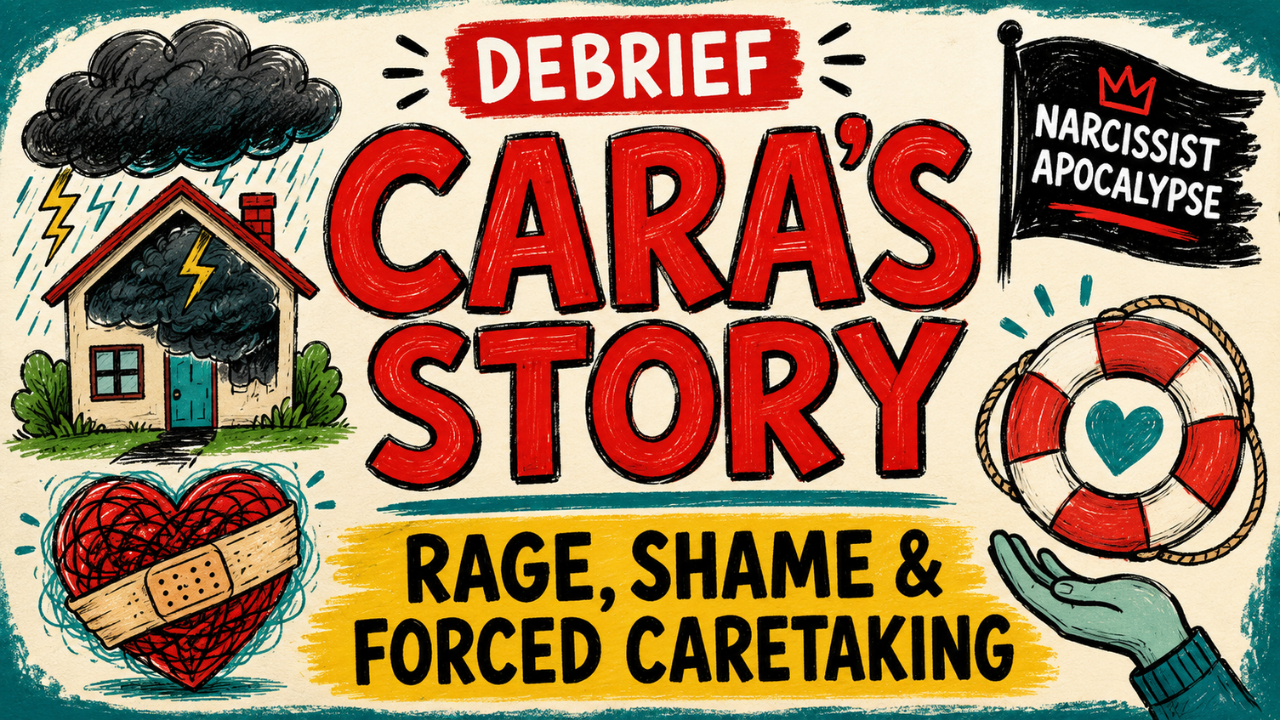
Navigating the Minefield: How Narcissistic Rage and Threats Compel Caretaking
Discover how narcissistic rage and insidious threats can trap survivors in a relentless cycle of caretaking. This post explores the psychological manipulation used by abusers to force victims into prioritizing their abuser's needs, often at the expense of their own safety and well-being.
Key Takeaways
- Narcissistic rage creates a climate of fear and hypervigilance, making survivors constantly walk on eggshells.
- Suicide threats and dramatic emotional collapses are potent manipulation tactics to enforce a caretaking role.
- This forced caretaking dynamic inverts the relationship, making the survivor responsible for the abuser's emotional stability.
- The abuser's manufactured crises eclipse the survivor's own pain and needs, leading to profound isolation.
- Understanding these manipulative patterns is the first step toward reclaiming autonomy and planning an escape.
Rage as a Constant Companion
In relationships marred by narcissistic abuse, 'rage' is more than an occasional outburst; it's a pervasive atmosphere. This unpredictable volatility means survivors exist in a perpetual state of anxiety, never knowing when the next emotional storm will break. For individuals like Cara, this translates into a hypervigilant existence, where every word and action is carefully curated to avoid triggering the abuser's explosive temper. This intense focus on managing the abuser’s emotions drains the survivor’s energy and diverts attention from their own fundamental needs and safety. The constant threat of rage turns the home into a minefield, where stepping out of line, even unintentionally, can lead to severe emotional or psychological repercussions. This isn't merely about anger; it's about control, a calculated strategy to keep the survivor perpetually off-balance and compliant.
The Weaponization of Suicide Threats
One of the most disturbing methods narcissists employ to maintain control is the weaponization of suicide threats and exaggerated emotional distress. When confronted, or when their manipulative tactics begin to unravel, the abuser may pivot to threats of self-harm. This is rarely a genuine cry for help but a sophisticated form of emotional blackmail designed to elicit immediate compliance and caretaking. Survivors, often naturally empathetic and deeply ingrained with a sense of responsibility, find themselves in an impossible situation. They are compelled to intervene, to de-escalate, to soothe, and to prioritize the abuser’s perceived crisis above all else. This manipulation effectively reverses the roles, casting the source of the abuse as the vulnerable victim who requires constant rescue, thereby trapping the survivor in a cycle of appeasing behavior and emotional exhaustion.
Forced Caretaking and the Erasure of Self
The obligation to respond to a narcissist’s rage-fueled crises or suicide threats systematically erodes the survivor's identity and personal needs. When the abuser is experiencing what they present as a life-ending crisis, the survivor's own pain, exhaustion, and legitimate concerns are completely sidelined. The abuser’s drama becomes the only crisis that matters, demanding the survivor’s undivided attention and emotional labor. This forced caretaking dynamic fosters a deep sense of isolation, as the survivor cannot share their own suffering or seek support without risking further manipulation or punishment. They become so consumed with managing the abuser’s emotional state that their own needs for safety, validation, and rest are neglected indefinitely. This pattern is a deliberate tactic to keep the survivor enmeshed, making it incredibly difficult to recognize the abuse for what it is and to envision a life free from the abuser’s destructive influence.
The Long-Term Impact of Caretaking Under Duress
Living under the constant pressure to manage a narcissist’s emotional volatility and threats has profound and lasting effects on a survivor's psyche. The hypervigilance required to navigate these relationships can lead to chronic anxiety, sleep disturbances, and a heightened startle response, symptoms often mistaken for personal anxiety disorders rather than trauma responses. The constant suppression of one's own needs and emotions can result in a loss of self-identity, making it difficult for survivors to reconnect with who they are outside the context of the abusive relationship. Furthermore, the ingrained habit of caretaking can spill over into other relationships, making survivors vulnerable to further exploitation. Recognizing that this caretaking was not a choice but a survival mechanism, a response to manipulation and threats, is a critical step in healing. It allows survivors to release the guilt and shame associated with their actions and to begin the arduous but necessary process of detaching and reclaiming their lives.
Breaking the Cycle
Understanding how narcissistic rage and threats compel caretaking is not just an intellectual exercise; it is a vital component of a survivor's journey toward freedom. By identifying these manipulative patterns, individuals can begin to detach themselves from the emotional blackmail and the overwhelming sense of responsibility for the abuser's well-being. This awareness empowers survivors to set boundaries, seek external support, and develop strategies for self-preservation. The path to overcoming the 'narcissist apocalypse' involves recognizing these tactics for what they are: tools of control designed to keep survivors trapped. For those who have navigated these treacherous dynamics, remember that your survival, your resilience, and your journey toward healing are paramount. If you or someone you know is struggling with the aftermath of narcissistic abuse, we encourage you to listen to Cara’s full story on the Narcissist Apocalypse podcast. Listen to Cara's Story Here.
Frequently Asked Questions
What is narcissistic rage and how does it differ from normal anger?
Narcissistic rage is an intense, often disproportionate, and manipulative outburst of anger or aggression used by individuals with narcissistic personality traits to intimidate, control, and punish others when their ego is threatened or their demands are not met. Unlike normal anger, which is typically a response to a specific grievance and can be managed, narcissistic rage is often unpredictable, extreme, and serves as a tool for maintaining dominance.
Are suicide threats from a narcissist genuine?
While it is impossible to definitively know another person's intent, suicide threats from narcissists are overwhelmingly used as a manipulative tactic to elicit extreme caretaking responses, guilt, and to control others. They are a form of emotional blackmail, designed to force the other person into complying with the narcissist's demands or to prevent them from leaving the relationship, rather than a genuine expression of suicidal ideation.
How does being forced into a caretaking role harm a survivor?
Being forced into a caretaking role under duress from a narcissist leads to severe emotional exhaustion, burnout, and the erosion of the survivor's own identity and needs. It creates a constant state of hypervigilance and anxiety, fosters isolation, and can lead to the development of complex trauma responses. The survivor's own well-being becomes secondary, leading to profound neglect of their physical and mental health.
Can survivors break free from the cycle of forced caretaking?
Yes, survivors can break free from the cycle of forced caretaking. The crucial first step is recognizing the manipulative tactics being used. Educating oneself about narcissistic abuse patterns, setting firm boundaries, seeking therapy or support groups, and developing a safety plan for leaving are all essential components of reclaiming autonomy and healing.