How Narcissists Use Jealousy and Accusations as Tools of Control
This post explores how narcissistic abusers weaponize jealousy and accusations, not out of genuine insecurity, but as a strategic method to isolate, interrogate, and dominate their partners. You'll learn to recognize these tactics as a form of control, understand the psychological impact, and discover how to counter them to protect your relationships and sense of self.
Key Takeaways
- Narcissistic jealousy is not about insecurity, but a tool for monitoring and control.
- Accusations are used to interrogate partners and demand access to their communications.
- These tactics isolate victims by making friendships and outside connections seem dangerous.
- This creates a cycle where any interaction can be twisted into a negative narrative.
- Recognizing these patterns is crucial for reclaiming autonomy and protecting personal boundaries.
Jealousy as a Weapon, Not an Emotion
In healthy relationships, jealousy can sometimes arise from genuine feelings of insecurity or a deep desire to protect the bond. However, within the context of narcissistic abuse, jealousy is a fundamentally different beast. It is not a spontaneous emotional reaction but a calculated, strategic weapon. The abuser doesn't feel insecure; they wield jealousy to gain power and control. They are not worried about losing you; they are concerned about losing their grip on you. This distinction is critical for survivors to grasp. When a narcissist displays jealousy, they are not seeking reassurance; they are initiating surveillance. They are looking for vulnerabilities, opportunities to interrogate, and excuses to impose restrictions.
This weaponized jealousy manifests in various ways. It might involve constant questioning about your whereabouts, who you spoke to, and what you said. It can lead to demands to see your phone, your emails, or your social media messages. The abuser creates an atmosphere where simply having a conversation with a friend can be interpreted as a betrayal or a threat. This constant interrogation keeps the survivor on edge, constantly defending their actions and explaining themselves, a process that is exhausting and erodes their sense of autonomy.
Accusations: The Interrogation Tool
Closely linked to weaponized jealousy are accusations. These are not reasoned critiques or feedback; they are tools of interrogation designed to trap the survivor and force them into a defensive posture. The abuser doesn't need evidence; they operate on suspicion, insinuation, and fabricated scenarios. Accusations are a way to project their own manipulative tendencies onto the victim, creating confusion and self-doubt. For instance, an abuser might accuse their partner of flirting when they are merely being polite, or of planning to leave when they are simply discussing future plans. These accusations serve to:
- Monitor behavior: By making accusations, the abuser forces the partner to account for their actions, thereby monitoring them.
- Control interactions: Accusations about friendships can make a survivor wary of engaging with others, leading to isolation.
- Create guilt: Even if untrue, constant accusations can make a survivor feel guilty and question their own behavior.
- Shift blame: Accusations are a primary method of blame-shifting, making the survivor responsible for the abuser's feelings or actions.
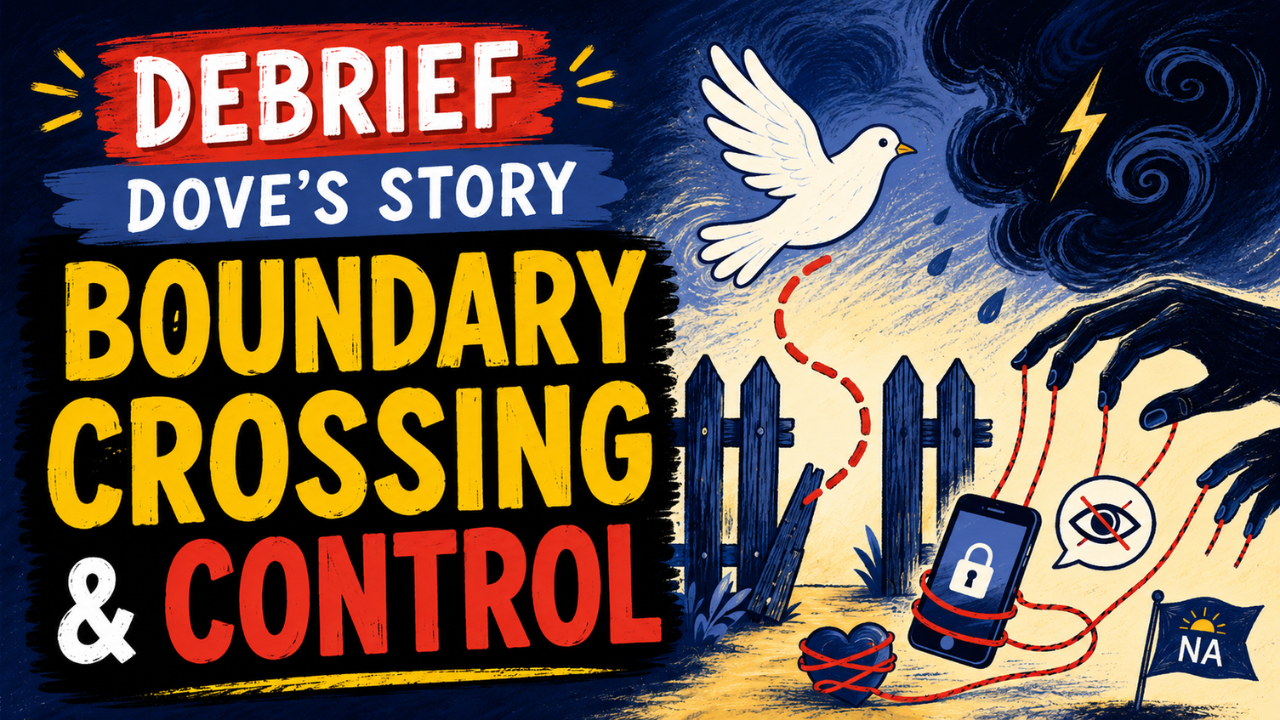
In Dove's story, Brandon highlights how jealousy became a mechanism for constant monitoring and interrogation. Her friendships were made to seem dangerous, and any interaction could be twisted into a narrative of betrayal. This created a chilling effect, making it difficult for Dove to maintain healthy connections outside the relationship. The abuser didn't just want to know what she was doing; he wanted to control who she was and who she could be. Accusations were the fuel for this control, keeping Dove perpetually on the defensive.
Isolating Tactics: Making Friendships Dangerous
One of the primary goals of a narcissist using jealousy and accusations is to isolate their partner. They understand that a strong support system can be a survivor's greatest asset, offering validation, perspective, and practical help. Therefore, they work diligently to dismantle these connections. By making friendships seem dangerous, the abuser creates a self-imposed prison for their partner. The survivor becomes afraid to speak to friends, fearing how their partner will react, what accusations might follow, or what drama will ensue.
This isolation serves several purposes for the abuser. Firstly, it makes the survivor more dependent on the abuser for social interaction and emotional validation, reinforcing their control. Secondly, it prevents the survivor from gathering external evidence or support that might challenge the abuser's narrative or expose their behavior. When a survivor is isolated, their reality becomes warped, and they are more susceptible to gaslighting and other manipulative tactics. The world outside the relationship can start to feel threatening, and the abuser's presence might, ironically, begin to feel like the only safe space, even as it is the source of their torment.
The abuser's strategy is to ensure that any interaction Dove had could be framed negatively. A casual chat could be labeled as flirting. A supportive conversation with a friend could be spun as plotting against the abuser. This systematic demonization of external relationships forces the survivor to choose between their connections and their peace, a choice that is often manipulated to favor the abuser's agenda. This is not about genuine hurt feelings; it's about strategic dismantling of a support network.
Countering Control: Reclaiming Your Narrative
Recognizing that jealousy and accusations are tools of control, rather than expressions of genuine emotion, is the first step in countering them. When these tactics are employed, it is crucial to:
- Avoid excessive justification: Narcissists thrive on your need to explain yourself. While it feels natural to defend yourself, over-explaining can feed into their game. Keep responses brief and factual, without getting drawn into emotional debates.
- Reinforce boundaries: Clearly state your boundaries regarding privacy, communication, and friendships. For example, "I will not share my phone with you," or "I am free to speak with my friends."
- Seek external validation: Connect with trusted friends, family, or a therapist who can offer an objective perspective and remind you of your reality.
- Document patterns: Keep a private journal of accusations and jealousy incidents. This can help you see the pattern of control and reinforce that it's not about your behavior but their tactics.
- Prioritize your peace: As Brandon suggests for Dove, protecting your peace is paramount. This might mean disengaging from accusatory conversations or limiting contact when these tactics are employed.
The goal is not to change the abuser but to change how you respond to their tactics. By understanding the manipulative nature of weaponized jealousy and accusations, survivors can begin to detach from the emotional turmoil they create and reclaim their sense of self and their right to healthy relationships and connections. It's about shifting from a defensive stance to one of protective autonomy. This episode's debrief offers profound insights into how these tactics escalate and how survivors can begin to protect their peace, even when their needs feel like a crime.
Listen to the full episode to delve deeper into Dove's experiences and Brandon's analysis of coercive control dynamics. Understanding these patterns is a vital step in healing and reclaiming your life.
Frequently Asked Questions
Is all jealousy in a relationship a sign of narcissistic abuse?
No. While jealousy can be a normal human emotion and a sign of insecurity in any relationship, in narcissistic abuse, it is often weaponized. Narcissists use jealousy strategically to monitor, control, and isolate their partners, rather than out of genuine fear of loss.
How can I respond when my partner makes unfounded accusations?
It's crucial to avoid getting drawn into lengthy justifications, which can fuel the abuser's need for control. Instead, try stating your truth simply and firmly, reinforcing boundaries about privacy and your right to have friendships. Seeking support from a therapist or trusted confidant can also help you maintain perspective.
What is the difference between healthy concern and narcissistic jealousy?
Healthy concern stems from love and a desire for connection, often leading to open communication and seeking reassurance. Narcissistic jealousy, however, is demanding, accusatory, and aims to control and isolate. It doesn't seek reassurance but rather seeks to dominate and interrogate, often involving suspicion and distrust of external relationships.
Why does a narcissist try to make my friendships seem dangerous?
Narcissists aim to be the center of their partner's world and often view outside relationships as competition or a threat to their control. By making friendships seem dangerous, they isolate you, making you more dependent on them and less likely to receive outside support or validation that could expose their abusive behavior.