The Psychological Warfare of Nonconsensual Image Sharing in Abusive Relationships
Discover the devastating impact of nonconsensual image sharing in abusive dynamics. This blog post delves into how this violation of privacy, exemplified in Dove's story, becomes a potent weapon for control, humiliation, and long-term psychological damage, dissecting its insidious role in the escalation of abuse.
Key Takeaways
- Nonconsensual image sharing is a deliberate tactic to exert power and control, often stemming from a place of profound insecurity and jealousy.
- This violation shatters trust and can lead to severe psychological distress, including anxiety, depression, and PTSD.
- The fear of further dissemination amplifies the victim's sense of helplessness and isolation.
- Digital abuse, like sharing private images, is a modern manifestation of traditional control tactics, adapted to the digital age.
- Reclaiming agency involves understanding these tactics and seeking support to break free from the cycle of abuse.
The Weaponization of Intimacy: Sharing Private Images as Control
In the complex landscape of narcissistic abuse and coercive control, the intimate spaces we create with partners can be twisted into battlegrounds. Dove's harrowing experience on Narcissist Apocalypse illuminates a particularly damaging tactic: the nonconsensual sharing of private images. This act is not a spontaneous outburst of anger or a lapse in judgment; it is a calculated and devastating weapon. It weaponizes intimacy, turning cherished private moments into tools of humiliation and control. For the abuser, this act serves multiple purposes: to assert dominance, to punish perceived disobedience or independence, and to instill deep-seated fear and compliance in the victim. The violation transcends the digital realm, inflicting profound emotional and psychological wounds that can linger long after the act itself.
The foundation of this abusive behavior often lies in the abuser's own deep-seated insecurities and a desperate need for control. Jealousy, as seen in Dove's narrative, fuels the desire to possess and dominate. When an abuser feels their control slipping, or when they perceive a threat to their dominance – real or imagined – they may resort to extreme measures to reassert their power. Nonconsensual image sharing is one such extreme measure. It's a way to ensure the victim feels exposed, vulnerable, and utterly without recourse. The abuser may believe that by circulating intimate images, they can control the victim's reputation, relationships, and future, effectively trapping them in a cycle of fear and dependence.
The Psychological Aftermath: Anxiety, Shame, and Long-Term Trauma
The psychological impact of having private, intimate images shared without consent is profound and multi-faceted. Victims often experience intense shame and humiliation, feeling as though a part of their deepest self has been violated and exposed to the world. This can lead to social withdrawal, difficulty forming new relationships, and a pervasive sense of distrust. Anxiety becomes a constant companion, with the lingering fear that more images might be shared, or that those already shared could resurface. Dove's story highlights how this act contributes to a feeling of walking on eggshells, as the victim becomes hyper-vigilant, constantly anticipating the next move of the abuser.
Beyond immediate anxiety, victims are at a significantly higher risk of developing more severe mental health conditions, including depression, Post-Traumatic Stress Disorder (PTSD), and even suicidal ideation. The violation can shatter a victim's sense of self-worth and bodily autonomy. They may feel dirty, broken, or permanently scarred by the experience. The knowledge that their most private moments have been exploited can lead to a deep sense of powerlessness, making it incredibly difficult to heal and move forward. The abuser's goal is often to isolate the victim, and this tactic is incredibly effective in achieving that, as victims may feel too ashamed or scared to confide in anyone.
Digital Abuse as an Evolution of Control Tactics
Nonconsensual image sharing is a stark example of how abusive behaviors adapt to the digital age. While the underlying motivations – control, power, and humiliation – remain the same as in physical or emotional abuse, the methods have evolved. In the past, abusers might have used threats of exposure or gossip to control their partners. Today, the internet and digital devices provide a far more potent and widespread means of carrying out these threats. The ability to instantly share images or information with a vast audience transforms the potential for damage exponentially. This digital dimension of abuse adds a layer of complexity to identifying and combating it.
For victims, navigating this landscape can be particularly challenging. The permanence of digital content, the ease with which it can be shared and re-shared, and the potential for it to follow them across different platforms can create a feeling of inescapable torment. Dove's experience underscores the ways in which abusers leverage technology to maintain their grip. They may use shared access to devices, spyware, or simply exploit the trust placed in them to gain access to intimate content, which they then hold over the victim as a threat. Understanding digital abuse as a sophisticated evolution of traditional control tactics is crucial for recognizing its severity and impact.
Breaking Free: Seeking Support and Reclaiming Agency
Escaping the cycle of abuse, especially when digital violations like nonconsensual image sharing are involved, requires immense courage and support. The first step is often acknowledging the severity of the abuse and understanding that it is not the victim's fault. Dove's journey on Narcissist Apocalypse highlights the importance of external validation and support systems. Reaching out to trusted friends, family members, or support organizations can provide a lifeline. For those experiencing digital abuse, documenting evidence, changing passwords, and seeking legal counsel are vital steps in regaining control.
Therapy plays a critical role in healing from the psychological trauma associated with such violations. Therapists specializing in trauma and narcissistic abuse can help victims process their experiences, rebuild their self-esteem, and develop coping mechanisms. It’s about reclaiming one’s narrative and moving from a place of victimhood to one of survival and resilience. The journey is arduous, but with the right support, it is possible to break free from the abuser's influence and rebuild a life free from fear and control. Remember, you are not alone, and help is available. For those who have endured similar experiences, finding solidarity and shared understanding can be a powerful part of the healing process.
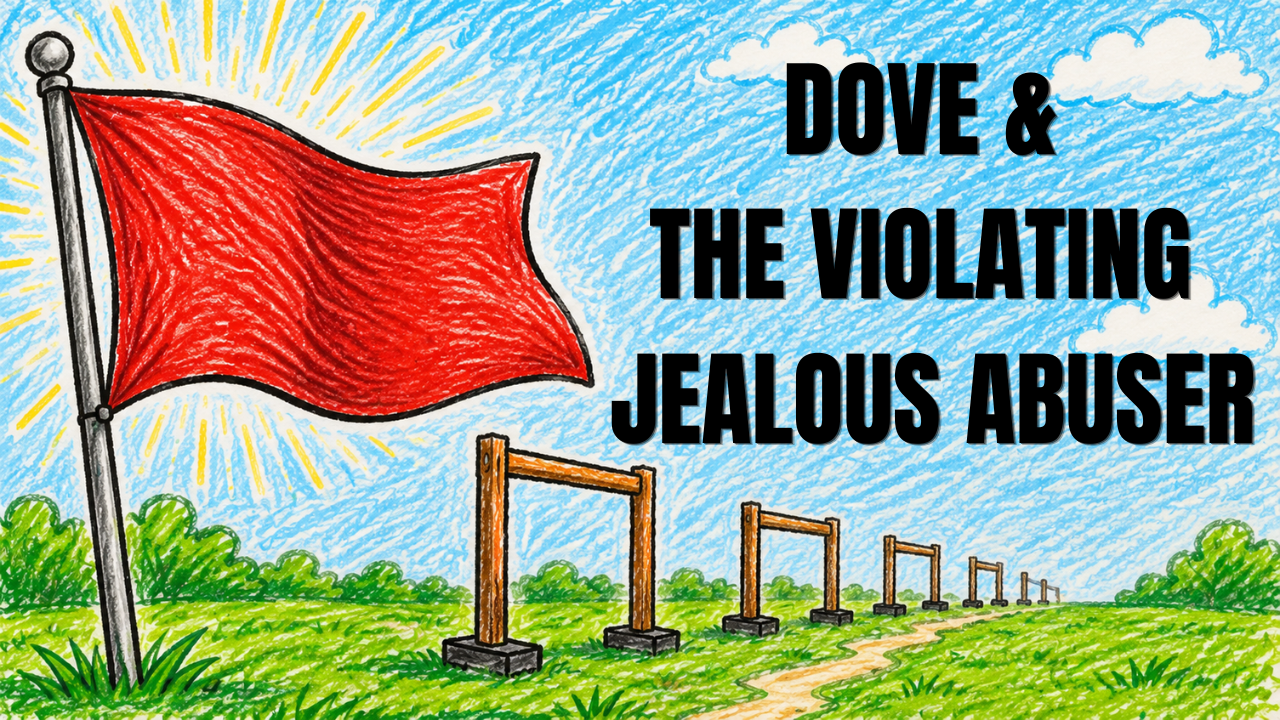
Listen to Dove's full story on Narcissist Apocalypse to gain deeper insights into the insidious nature of coercive control and the path to survival: Dove & The Violating Jealous Abuser.
Frequently Asked Questions
What is nonconsensual image sharing?
Nonconsensual image sharing, often referred to as 'revenge porn' or intimate image abuse, is the distribution of sexually explicit images or videos of a person without their consent. In abusive relationships, it is used as a tool for control, humiliation, and retaliation.
How does jealousy contribute to nonconsensual image sharing?
Jealousy can fuel an abuser's possessiveness and insecurity, leading them to seek ways to control or punish a partner they fear losing or who they perceive as disloyal. Sharing intimate images can be a way to exert power and inflict maximum damage if they feel betrayed or are seeking revenge.
What are the long-term psychological effects of this abuse?
Long-term effects can include chronic anxiety, depression, PTSD, self-harm, suicidal ideation, difficulty trusting others, social isolation, and a damaged sense of self-worth and bodily autonomy.
Is there legal recourse for victims of nonconsensual image sharing?
In many jurisdictions, nonconsensual image sharing is illegal and considered a form of digital abuse and a privacy violation. Victims can pursue legal action, including restraining orders and criminal charges, depending on local laws and circumstances.